According to experts, Generation Z and Millennials are doing one thing that might be contributing to the rise in colon cancer.
Even though mental health and overall wellness is something that the two generations care about, that doesn’t mean that they are taking care of themselves where it matters.
As colorectal cancer has seen a recent surge in younger people, with around 44,100 new bowel cancer cases in the UK every year being diagnosed, according to Cancer Research UK, there’s something that could be at the forefront of causing the rise.
You can take all of the supplements, injections, powders and advice from influencers, but none of those things can prevent you from developing the cancer if you are continuing this one habit.
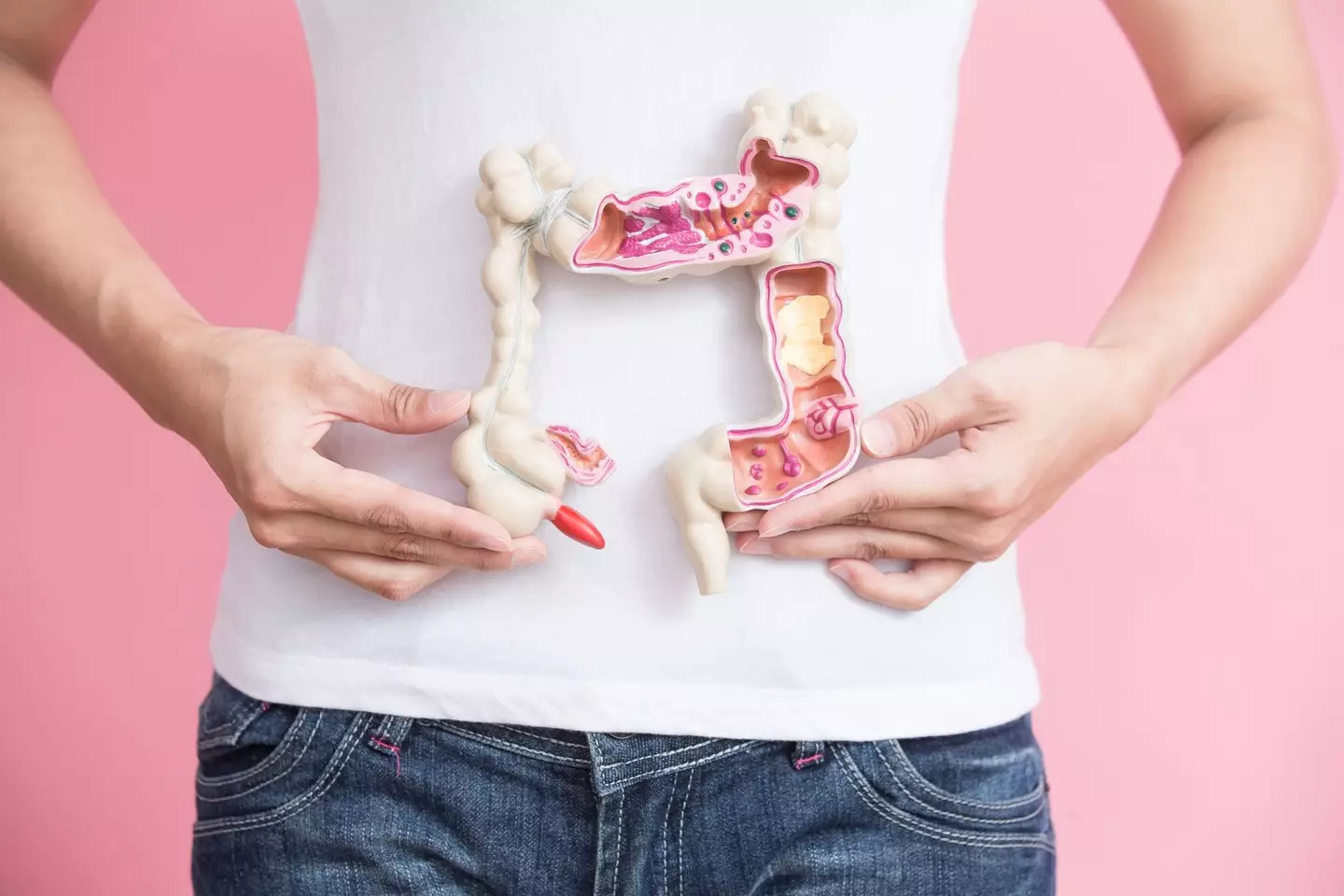
Our diets could be increasing our risk of cancer (Getty Stock Image)
The link between diet and colon cancer
According to three experts, it’s all to do with the Western diet, which is too good to share but isn’t great for your health.
Known for its love of fast food, which is high in carbohydrates, sugars and fats and low on fibre, it’s a recipe for disaster.
Tim Spector, an epidemiologist, and scientific co-founder of health science company ZOE, told Newsweek that Gen Z and Millennial diets aren’t great.
He said: “It seems that younger generations want to eat well. However, because ‘wellness’ has become fashionable, there’s a great deal of misinformation on social media. This can make it difficult for people of any age to know how to eat healthily.”
Because ultra-processed foods (UPF) are everywhere and are easily accessible, it’s hard to eat correctly.
UPFs actually rise the risk of several types of cancer, but it’s hard to know what UPF is and what isn’t.
For example, any fizzy drink is an UPF, and so is white bread. Even granola is ultra-processed.
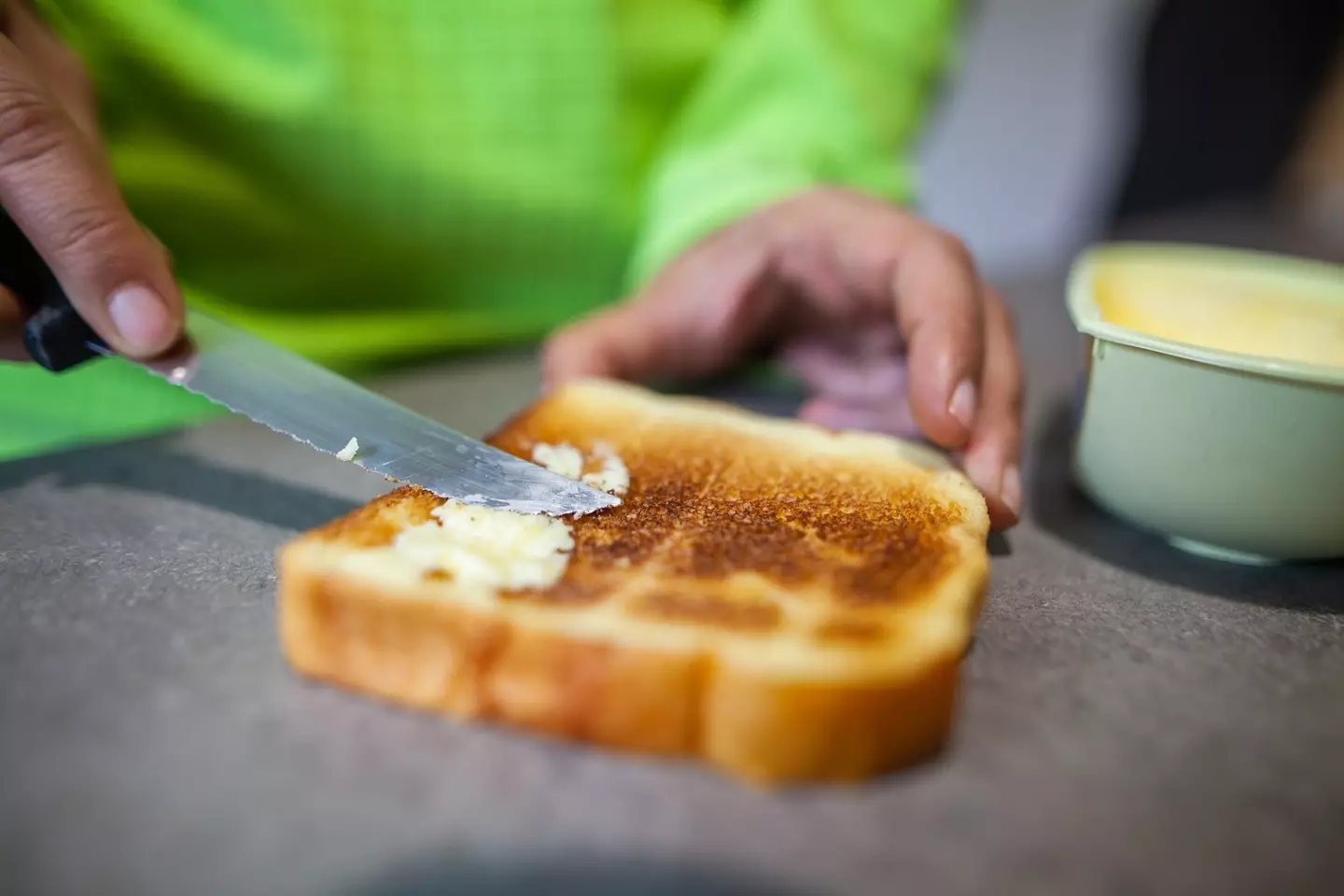
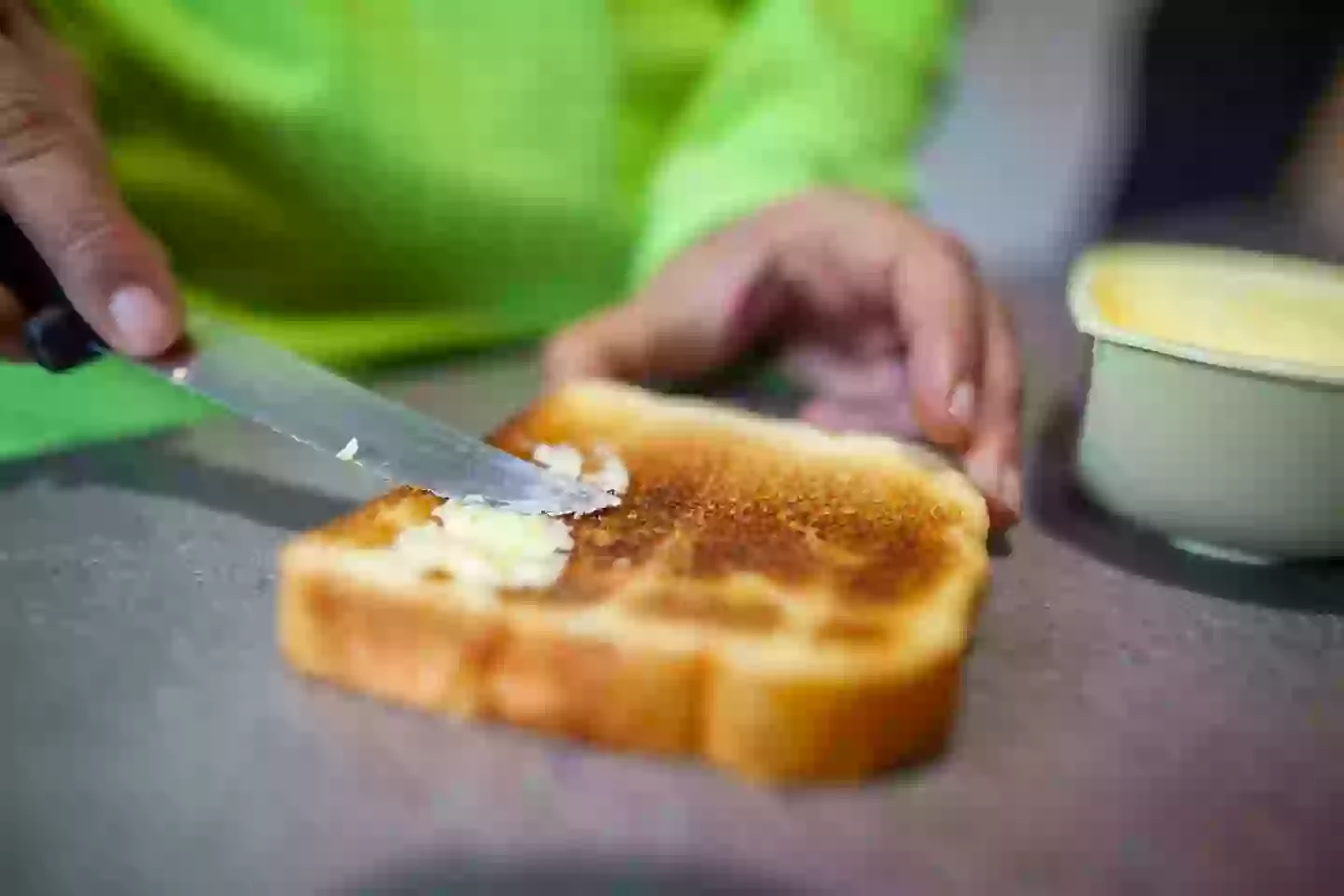
White bread is an ultra-processed food (Getty Stock Image)
Fibre in your diet is key
Dr Anne K. Mongiu, a colon and rectal surgeon shared that the key is eating plenty of fibre, and also gut-friendly foods like kimchi and other fermented snacks.
She said: “We know that high fibre diets can help reduce risk for colorectal cancer but unfortunately the American diet is typically low in fibre.”
As is the British diet.
She said: “This kind of diet tends to promote obesity and issues with metabolism. There are multiple things that change when a person is obese and/or has metabolic syndrome. These conditions can change the environment within the body and lead to things like chronic inflammation, development and growth of cancers by affecting certain cells and increasing levels of hormones like leptin and adiponectin.”
She added: “The high-fat content of this diet can activate certain pathways in the body that stimulate basic cell types (stem cells) that line the large intestine and trigger them to turn cancerous.”
Ultra-processed Foods are terrible for your health (Getty Stock Image)
Eating to support a healthy, balanced gut
Spector explained that eating vegetables, whole grains, nuts and healthy fats, seeds, and oily fish is also key.
He added: “It’s not enough to simply eat ‘healthy’—you need to eat in a way that supports a healthy, balanced gut microbiome. This is where fermented foods really shine.”
Dr Michelle Hughes, a gastroenterologist, also considered that human-made chemicals that could mess with our body’s hormones (Endocrine-disrupting chemicals) could also increase the risk of cancers.
She explained: “EDCs are small airborne particles and chemical pollutants is thought to be a significant contributor. These pollutants can disturb the healthy balance of bacteria in our intestines, causing inflammation and stress that can lead to cancer. Another factor is what’s known as the ‘birth cohort effect’.”
She added: “I have seen a rise in early onset colorectal cancer with patients presenting as early as their mid-20s, often with advanced disease.”
Featured Image Credit: Skynesher/Sebastian Kaulitzki/Science Photo Library/Getty Images
Topics: Food and Drink, Health, Cancer
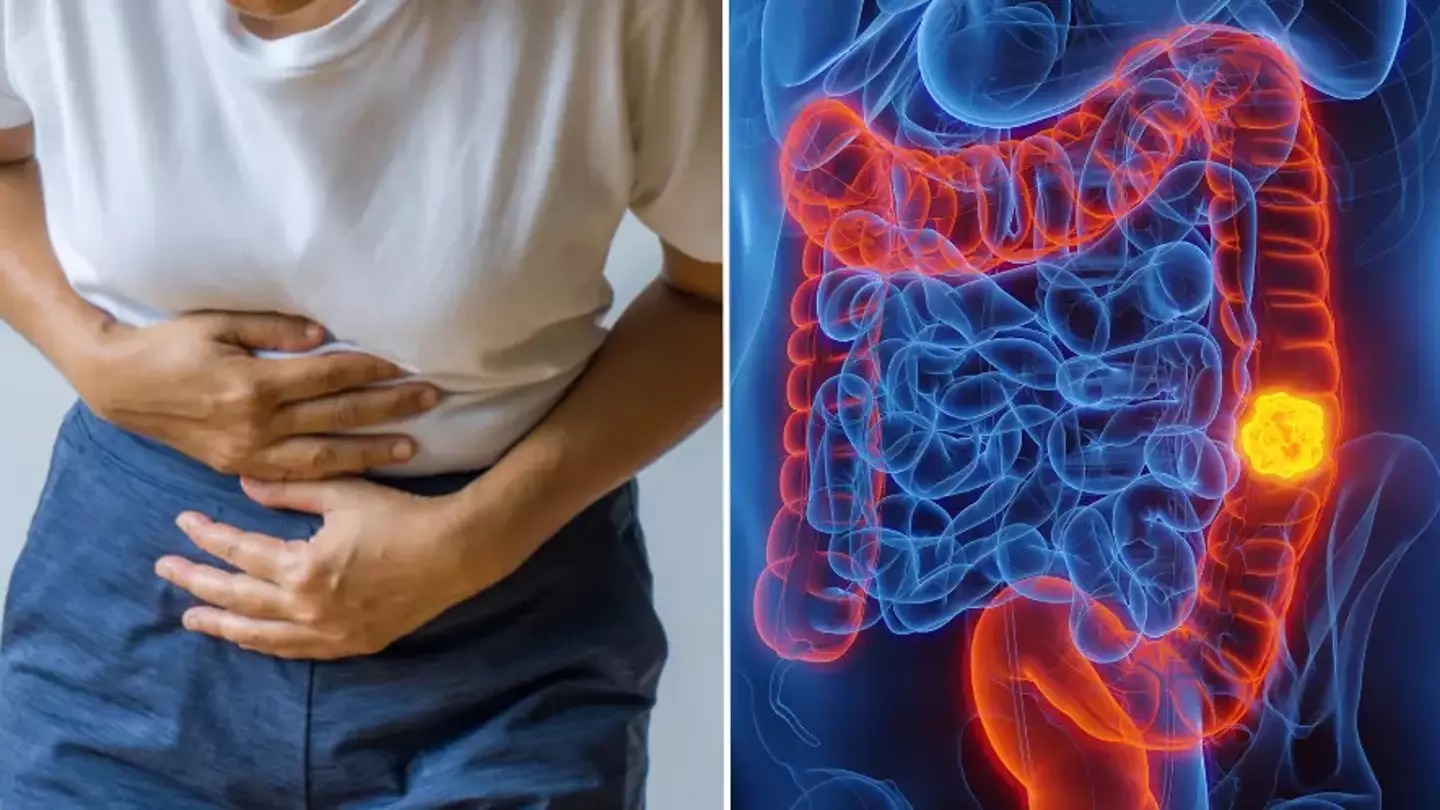
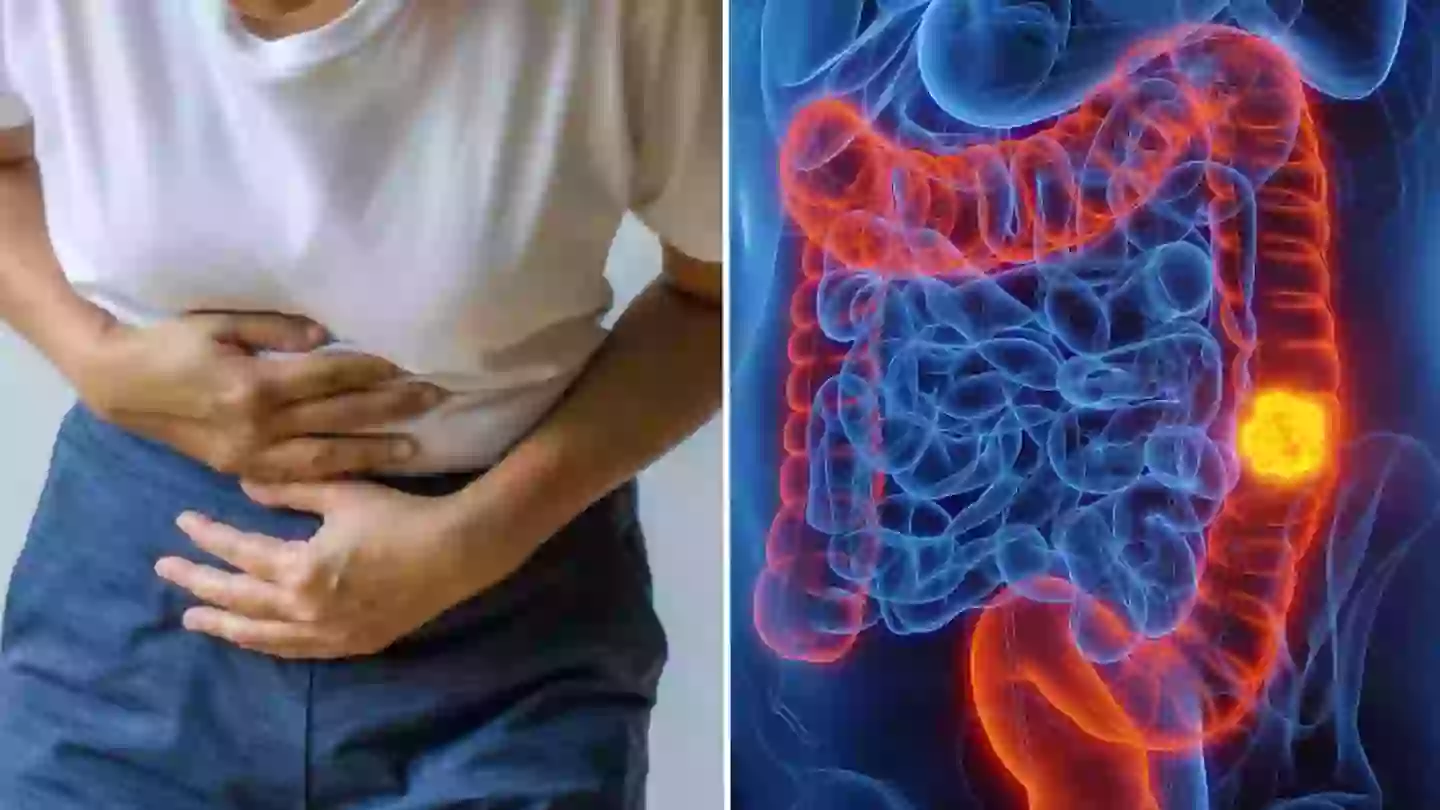
Gen Z and Millennials urged to avoid one particular food after doctors blame it for surge in ‘silent killer’
One type of food has been linked to colon cancer cases, as well as poor gut health in general

In recent years, more and more medics have used their platforms to spread awareness about the concerning surge of colon cancer cases – particularly in younger generations.
And with this in mind, one group of experts say both Gen Z and Millennial members of society can help lessen their chances of receiving the diagnosis by avoiding one particular food group.
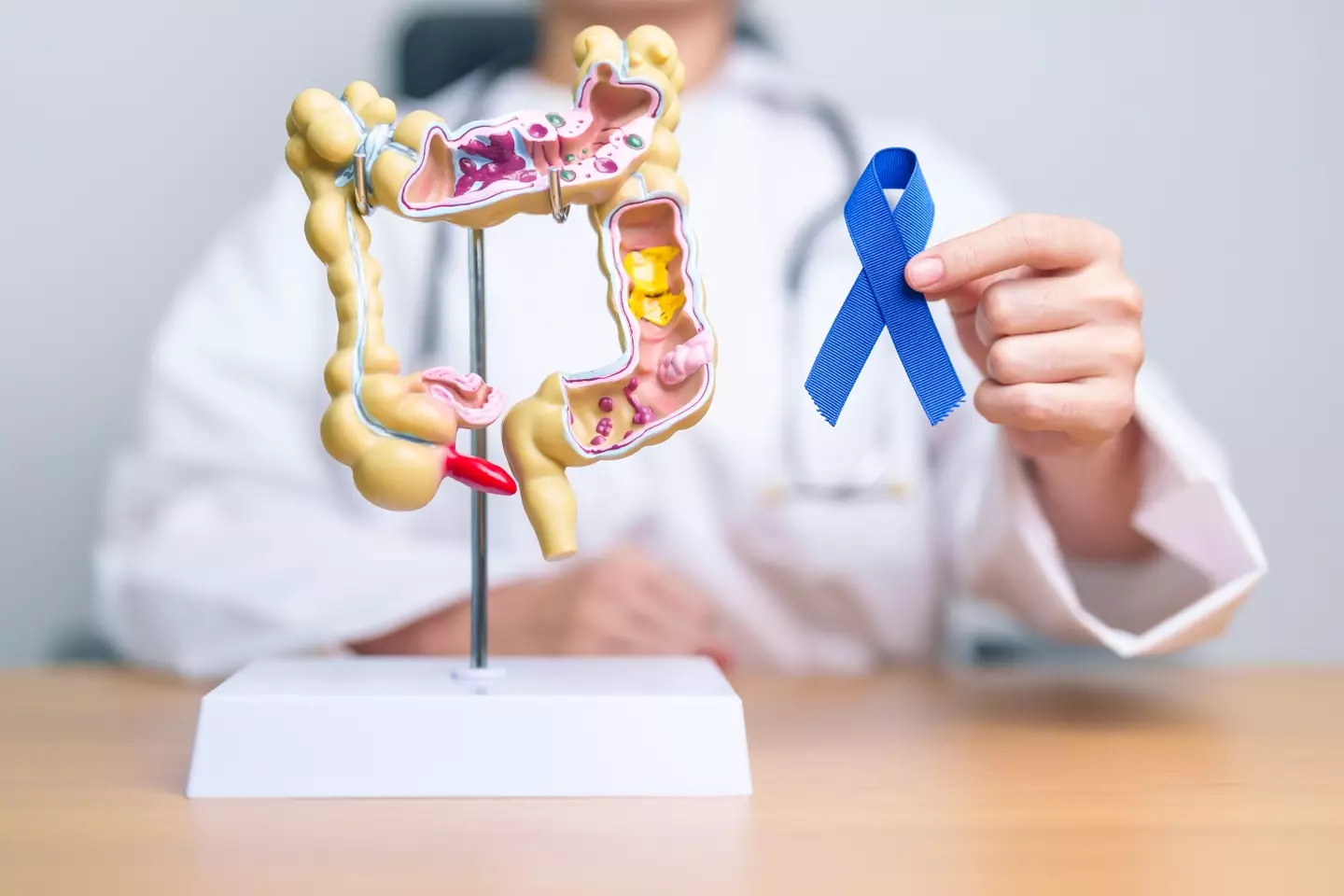
Colon cancer is sadly on the rise in Gen Zs and Millennials (Panuwat Dangsungnoen/Getty)
As we say, colorectal/bowel cancer cases are statistically on the rise in individuals under the age of 50.
In fact, according to the New York Post, this has been an ever-looming reality since the 1990s.
In the UK right now, colon cancer is considered one of the most common variations of the disease, with Cancer Research UK claiming that approximately 44,100 new bowel cancer cases are diagnosed on our tiny island each year.
And with regard to our neighbours across the pond, an unnerving 2019 case study found that over 20 percent of colorectal cancer cases were in patients younger than 55 years of age.
A single reason for this rise can’t yet be determined, though medics have thrown around the suggestion that the ongoing obesity epidemic may have something to do with it.
Others have suggested, meanwhile, that young people are simply less aware of the symptoms of the disease, being that there are considerably less of them than in other cancer forms – hence why medics often brand it a ‘silent killer’.
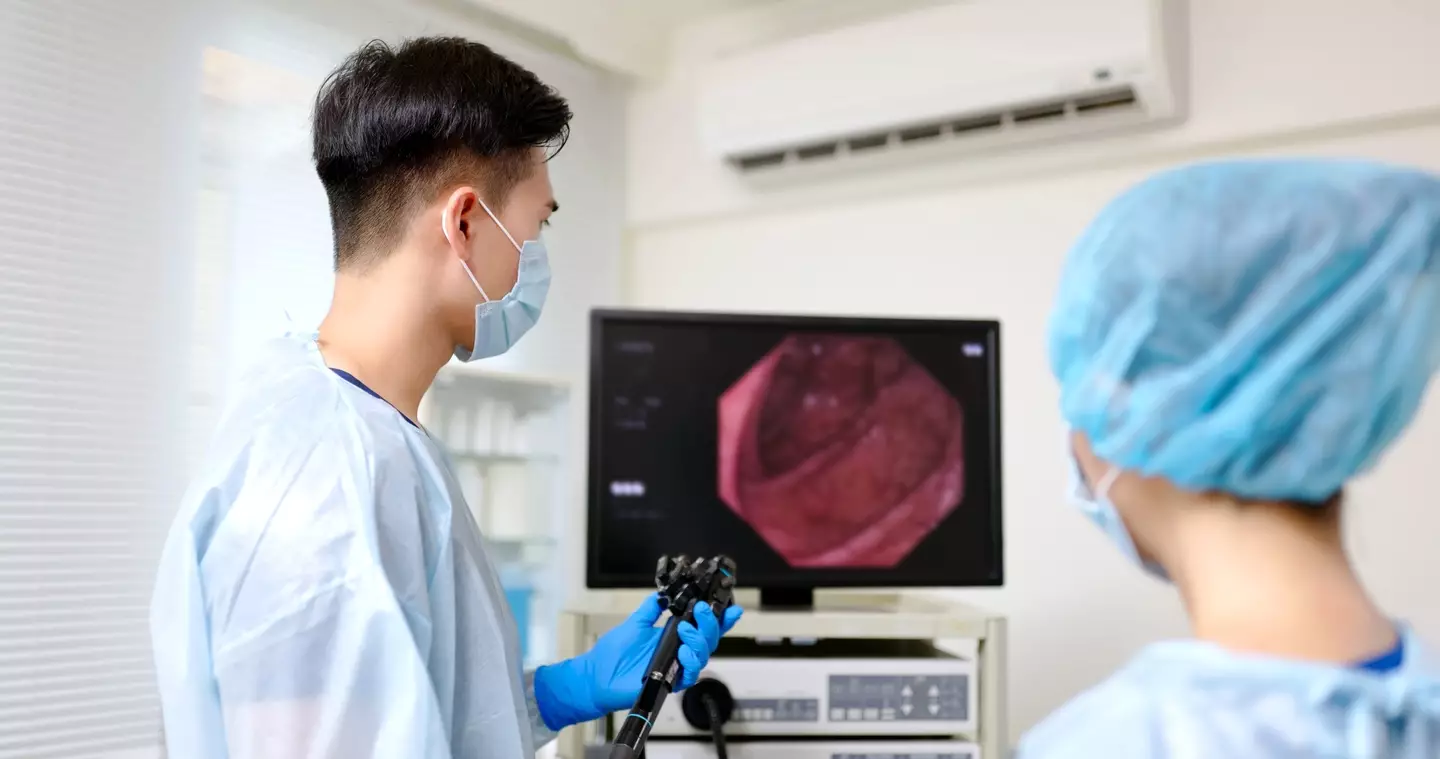
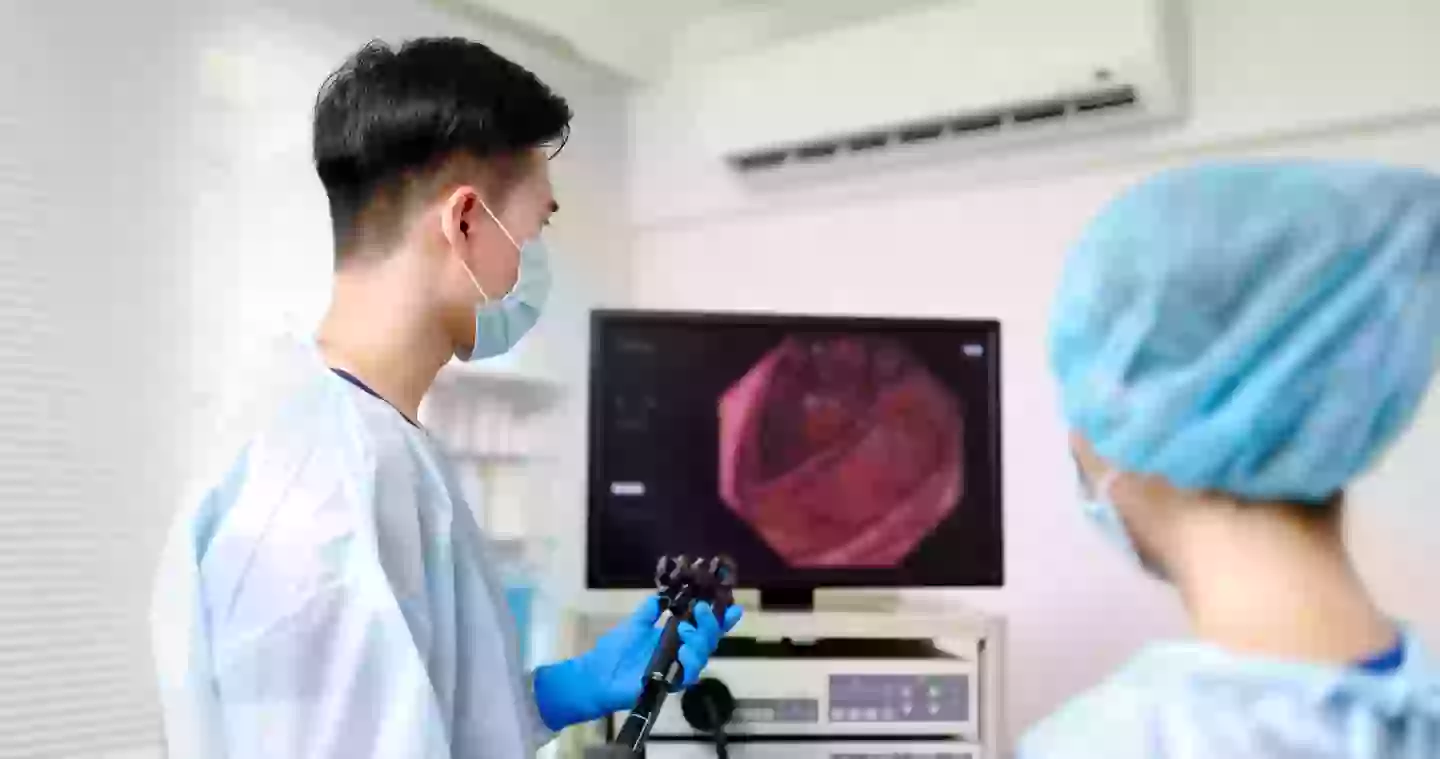
Doctors suggest that young people cut out a certain type of food (PonyWang/Getty)
The link between diet and colon cancer
According to three experts, it’s all to do with the Western diet, which is too good to share but isn’t great for your health.
Known for its love of fast food, which is high in carbohydrates, sugars and fats and low in fibre, it’s a recipe for disaster.
Tim Spector, an epidemiologist, and scientific co-founder of health science company ZOE, told Newsweek that Gen Z and Millennial diets aren’t great.
He said: “It seems that younger generations want to eat well. However, because ‘wellness’ has become fashionable, there’s a great deal of misinformation on social media. This can make it difficult for people of any age to know how to eat healthily.”
Because ultra-processed foods (UPF) are everywhere and are easily accessible, it’s hard to eat correctly.
For example, any fizzy drink is a UPF, and so is white bread. Even granola is ultra-processed.
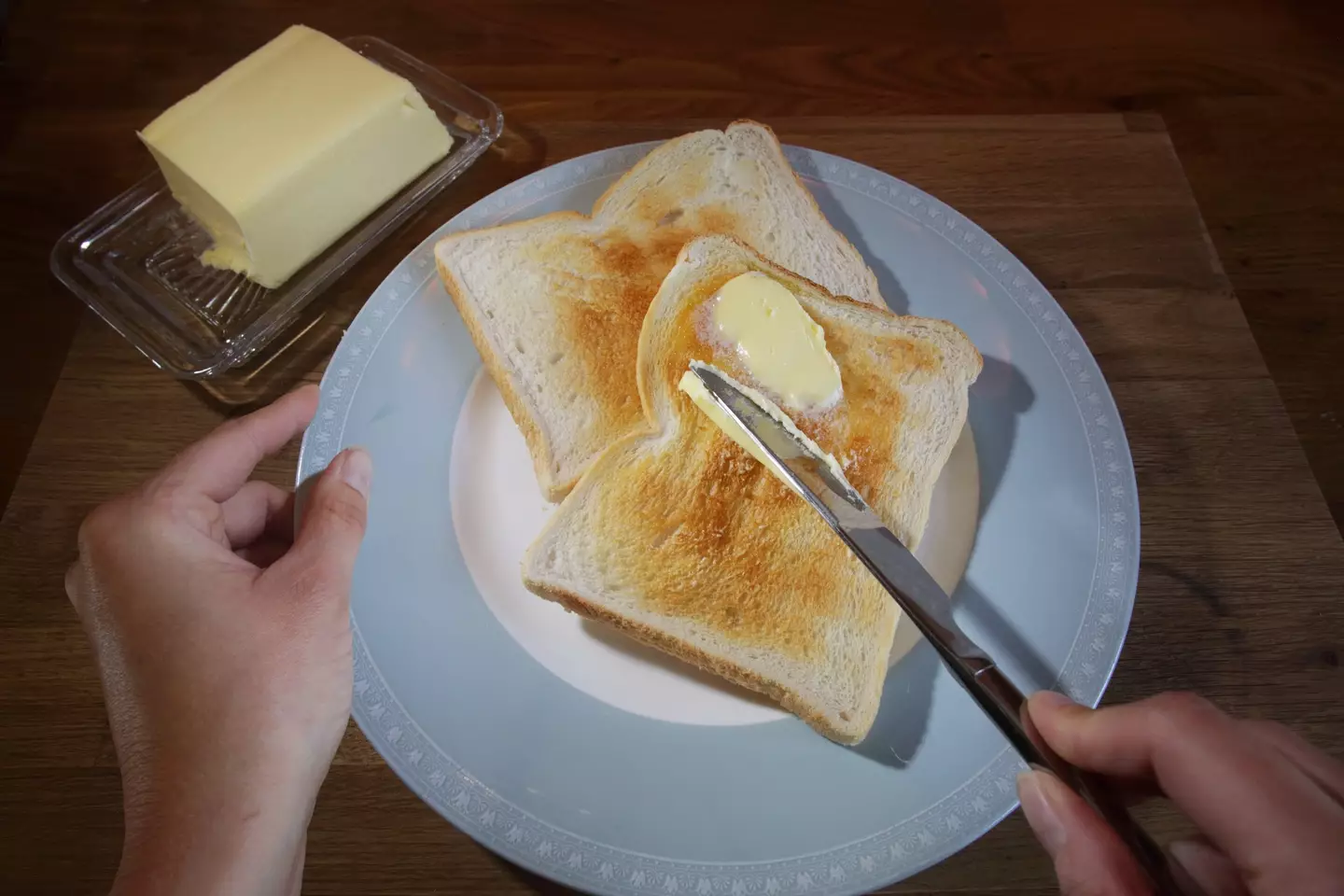

White bread is considered an ultra-processed food (Peter Cade/Getty)
Fibre in your diet is key
Dr Anne K. Mongiu, a colon and rectal surgeon shared that the key is eating plenty of fibre, and also gut-friendly foods like kimchi and other fermented snacks.
She said: “We know that high fibre diets can help reduce risk for colorectal cancer but unfortunately the American diet is typically low in fibre.”
The doctor continued: “This kind of diet tends to promote obesity and issues with metabolism. There are multiple things that change when a person is obese and/or has metabolic syndrome. These conditions can change the environment within the body and lead to things like chronic inflammation, development and growth of cancers by affecting certain cells and increasing levels of hormones like leptin and adiponectin.”
She added: “The high-fat content of this diet can activate certain pathways in the body that stimulate basic cell types (stem cells) that line the large intestine and trigger them to turn cancerous.”
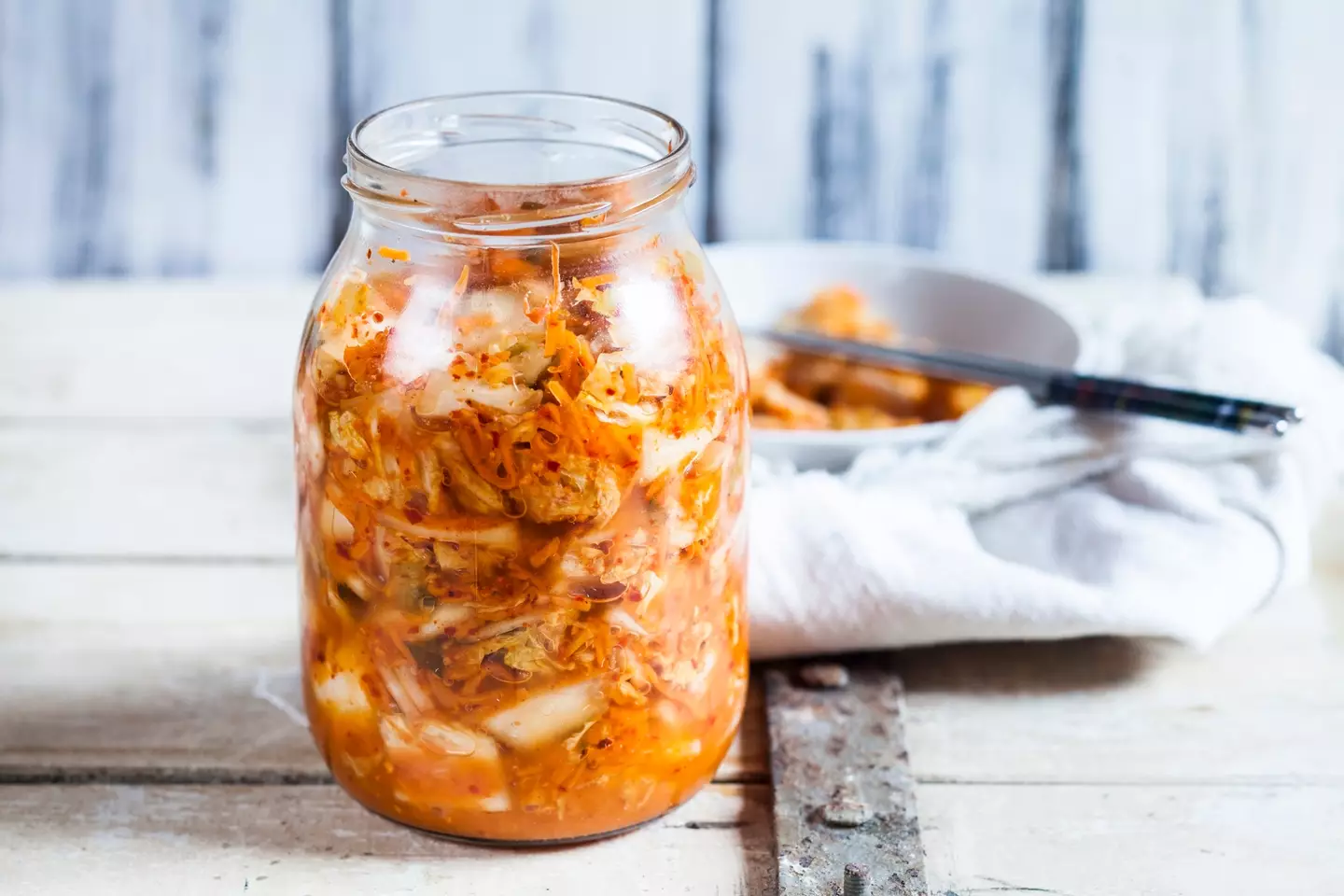

Fermented foods are said to be great for overall gut and colon health (Westend61/Getty)
Eating to support a healthy, balanced gut
Spector explained that eating vegetables, whole grains, nuts and healthy fats, seeds, and oily fish is also key.
He added: “It’s not enough to simply eat ‘healthy’ – you need to eat in a way that supports a healthy, balanced gut microbiome. This is where fermented foods really shine.”
Dr Michelle Hughes, a gastroenterologist, also considered that human-made chemicals that could mess with our body’s hormones (Endocrine-disrupting chemicals) could also increase the risk of cancers.
She explained: “EDCs are small airborne particles and chemical pollutants is thought to be a significant contributor. These pollutants can disturb the healthy balance of bacteria in our intestines, causing inflammation and stress that can lead to cancer. Another factor is what’s known as the ‘birth cohort effect’.”
Dr Hughes added: “I have seen a rise in early onset colorectal cancer with patients presenting as early as their mid-20s, often with advanced disease.”
Featured Image Credit: Getty Stock Images
Topics: Cancer, Food and Drink, Gen Z, Health
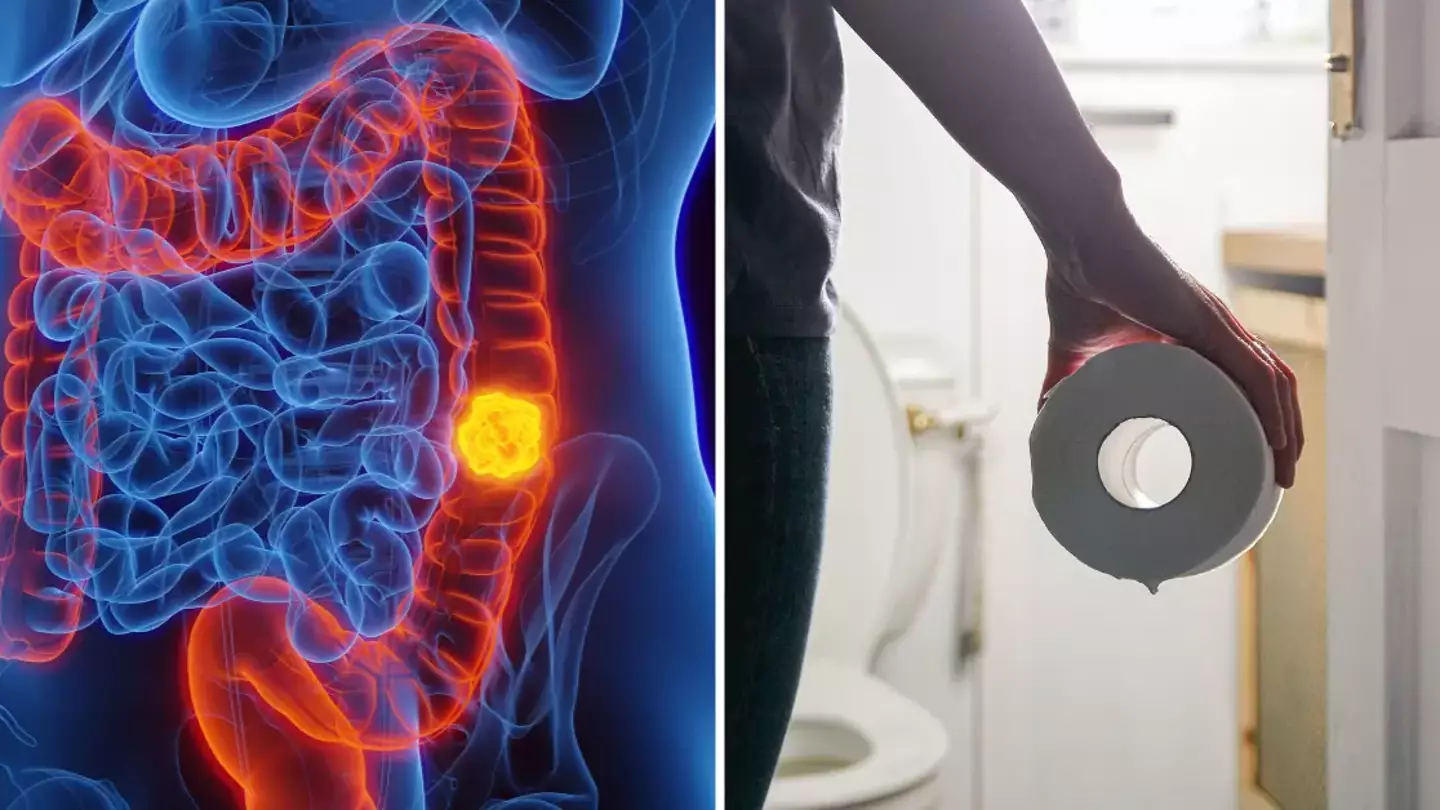
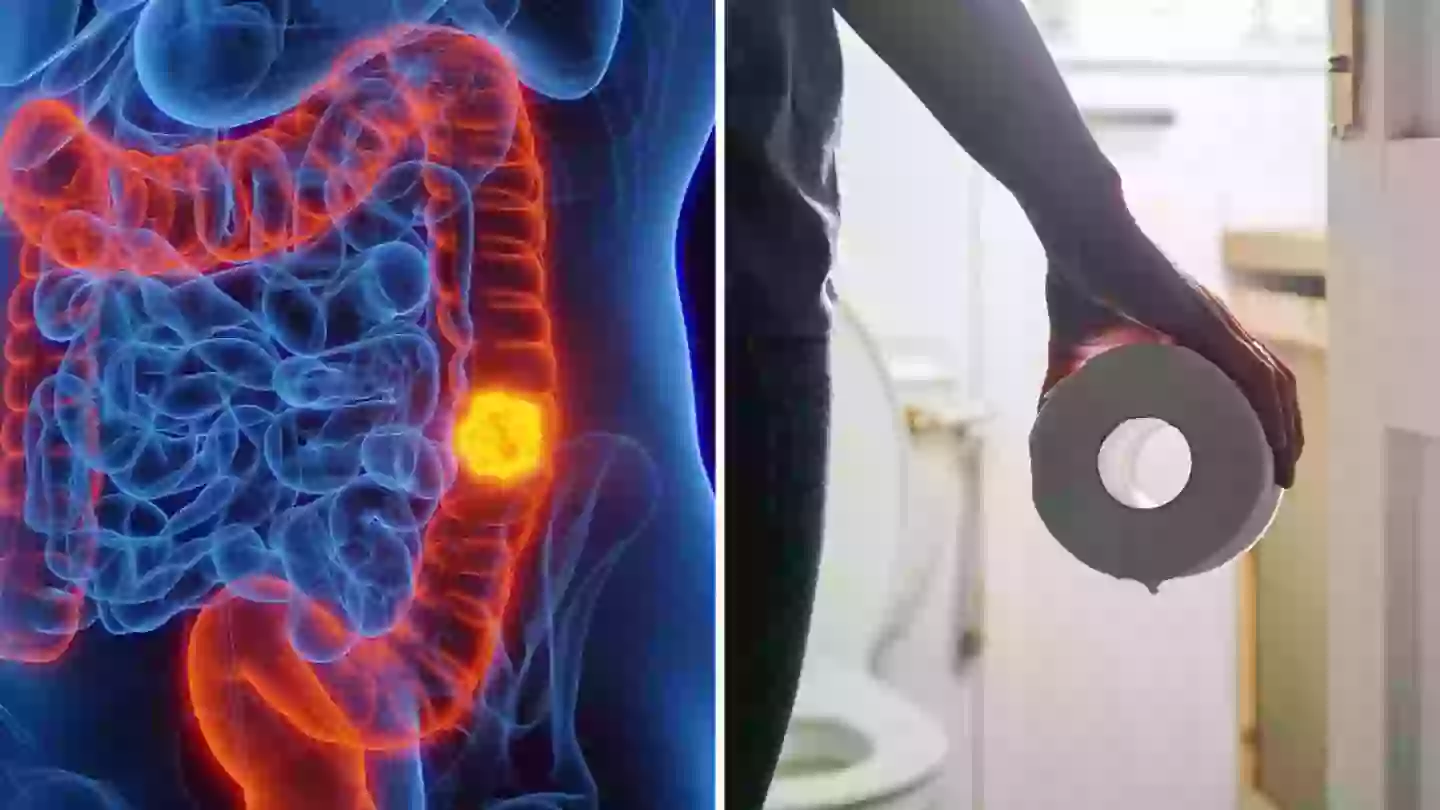
Doctor reveals crucial colon cancer self-check as cases surge for people under 50
One TikTok GP says a symptom of colon cancer can be checked from home as cases in young people continue to surge
With colon cancer steadily on the rise in young people, doctors and GPs all over the world are once again emphasising the importance of getting checked out if you fear you may be showing signs of the disease.
And interestingly, one medic has this week lifted the lid on a means of self-checking on your health from home, which can be used to tell you whether you’re likely suffering from a minor rectal ailment, or the potentially life-threatening disease.
One medic says there’s a means of checking one colon cancer symptom from home (PonyWang/Getty)
Worldwide cases of colorectal/bowel cancer in individuals aged between 20 and 30 have been gradually rising since the 1990s.
In the UK, this type of the disease has become one of the most common variations, and in the States, a 2019 case study found that 20 percent of colon cancer cases were in people younger than 55.
Taking to social media this week to discuss these alarming rates, NHS surgeon Dr Karan Rajan came across a video posted by a content creator who revealed they were previously diagnosed with stage 3 colon cancer, aged just 32.
In the video, the man – known as Colon Cancer Amigo – could be seen using a red marker pen to draw several dots onto some toilet roll, making it appear as though he’d endured a spatter of blood whilst going number two.
The TikTok star explained at the time that the tiny, bright red spots were how it looked when he recently wiped his behind while struggling with haemorrhoids – swollen blood vessels in the anus and rectum that are also known as piles.
A second segment to the video then saw the man emptying several hundred millilitres of dark red food colouring into his toilet, revealing that this is what his bathroom looked like after using the toilet just days before being diagnosed with cancer.
And while some users may have believed that the video had been created for dramatic effect, Dr Rajan has since reacted to the clip, explaining that one can actually check the severity of their rectal bleeding by referring to the colour of the blood.
“Blood from colon cancer is often dark red and maybe even black and tarry because it comes from higher up in the digestive tract, giving it more time to oxidise and darken,” he explains.
“Bleeding from haemorrhoids is typically right red because these come from swollen veins near the anus or rectum.”
Dr Rajan went on to add that the blood that comes from cancer can sometimes be mixed into the stool itself, giving the entire stool a darker and potentially streaked appearance.

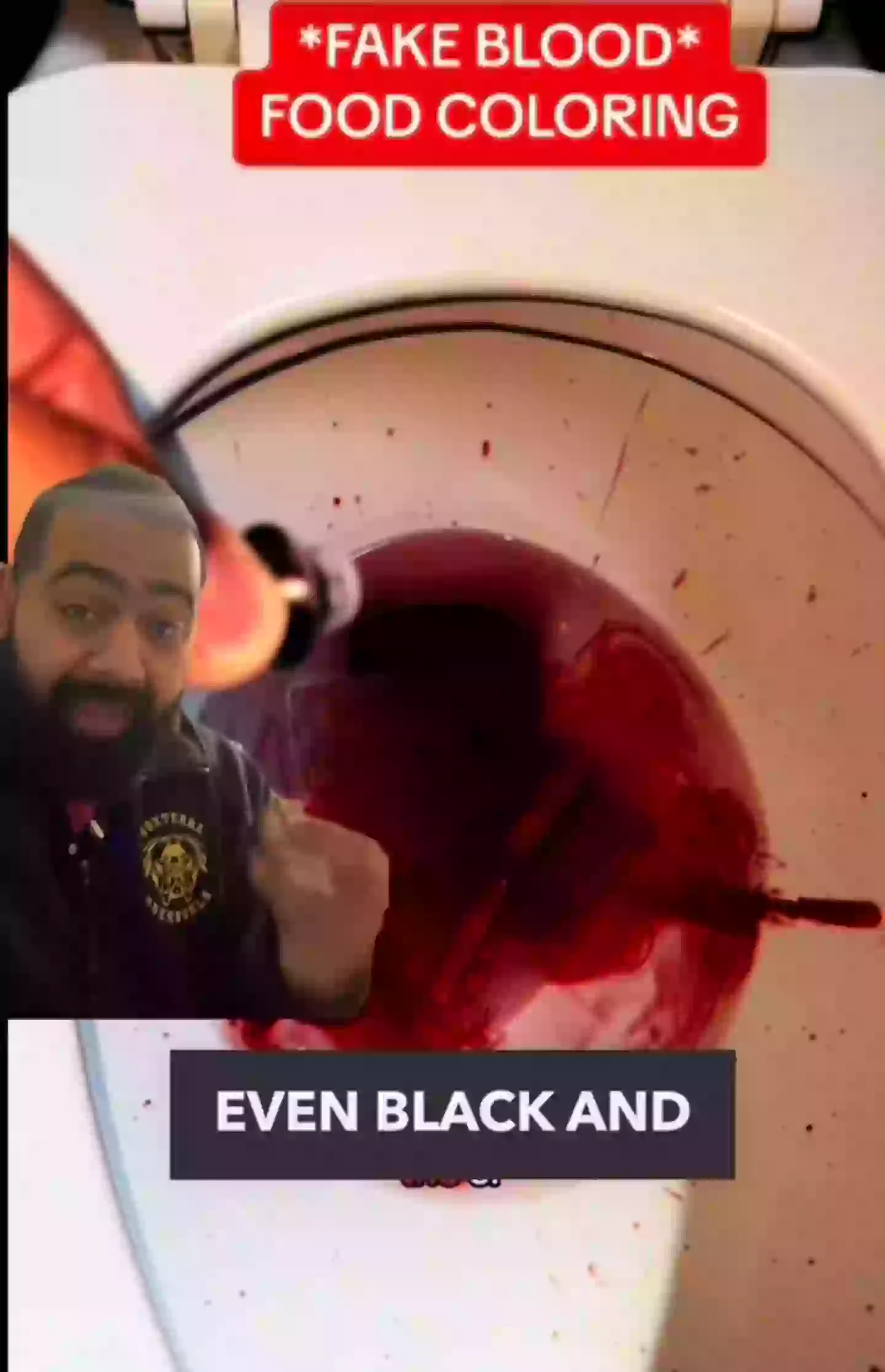
The NHS surgeon says darker blood is most concerning (TikTok/@dr.karanr)
“Whereas haemorrhoid blood usually appears on the toilet paper after wiping, on the surface of the stool, or even as drops in the toilet bowl, rather than being mixed into the stool,” he continues.
“Think of it as a pizza topping rather than being baked into the dough.”
According to the NHS, there are several other symptoms of colon cancer to keep an eye out for, including unusual diarrhoea or constipation, pain in the stomach, bloating, fatigue, or losing weight without attempting to.
However, there’s another symptom of the potentially-fatal illness which GPs across the globe are particularly concerned about, being how overlooked they suppose it is.
A change in the shape of stools being released could also be a sign of cancer – particular in longer, thin, pencil-like bowel movements.
These types of stools could be a sign that the colon is narrowing or has a blockage, perhaps due to cancerous tumours.
Featured Image Credit: Getty
Topics: Health, Cancer, Life, True Life, Real Life, UK News, News
Rhianna Benson

Millennials have tragic realisation that Gen Z ‘don’t know what happy hour is’
The generation gap appears to be widening once again…

Gen Z and Millennials seem to have a whole bunch of differences when it comes to how they choose to live their daily lives.
From outfit choices and bedroom trends all the way through to our attitudes to work – it seems the list of major cultural differences between the two generations is always growing.
And the latest addition to the generation gap sees Millennials making the tragic realisation that Gen Z ‘don’t know what happy hour is’.
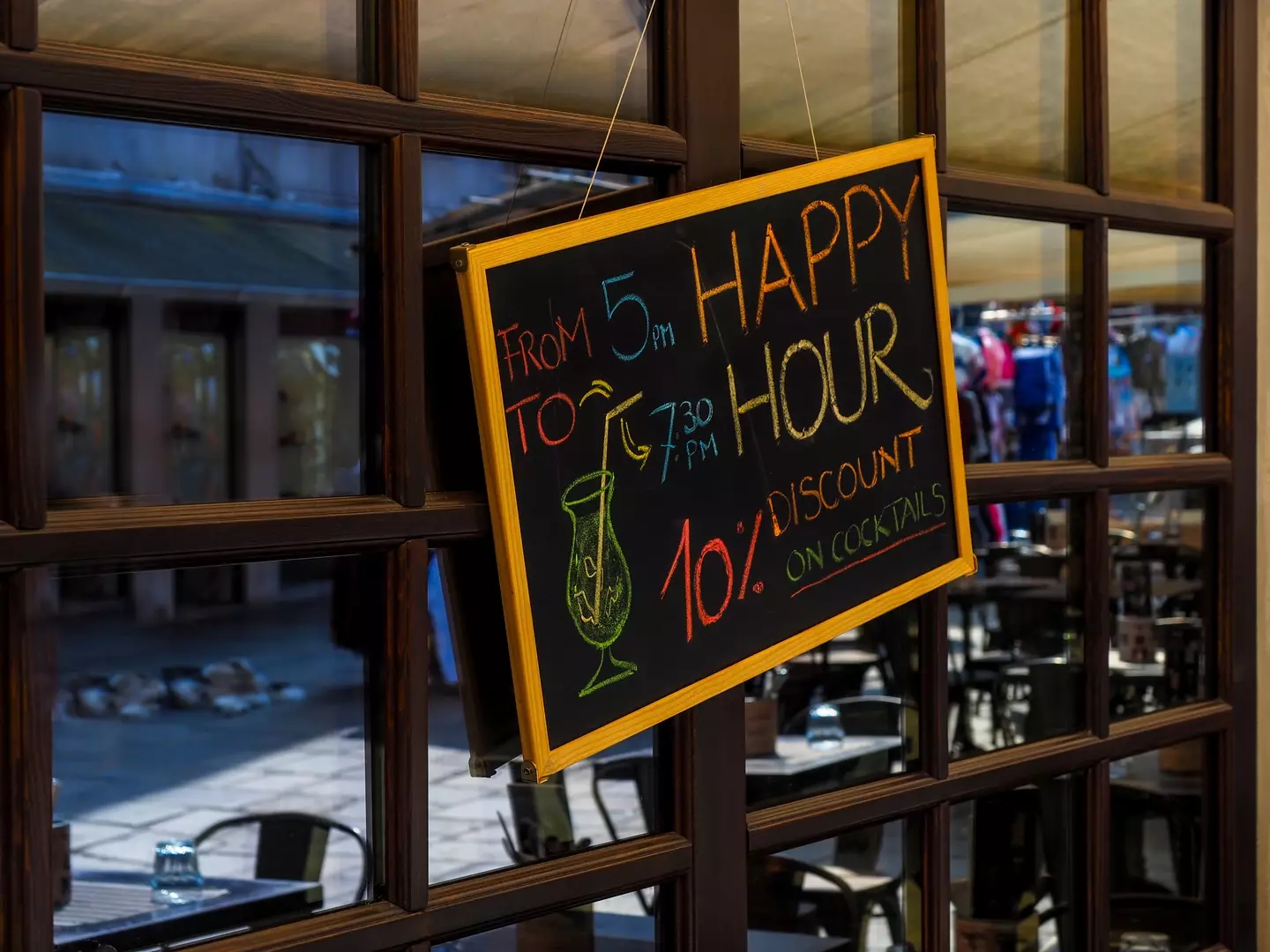
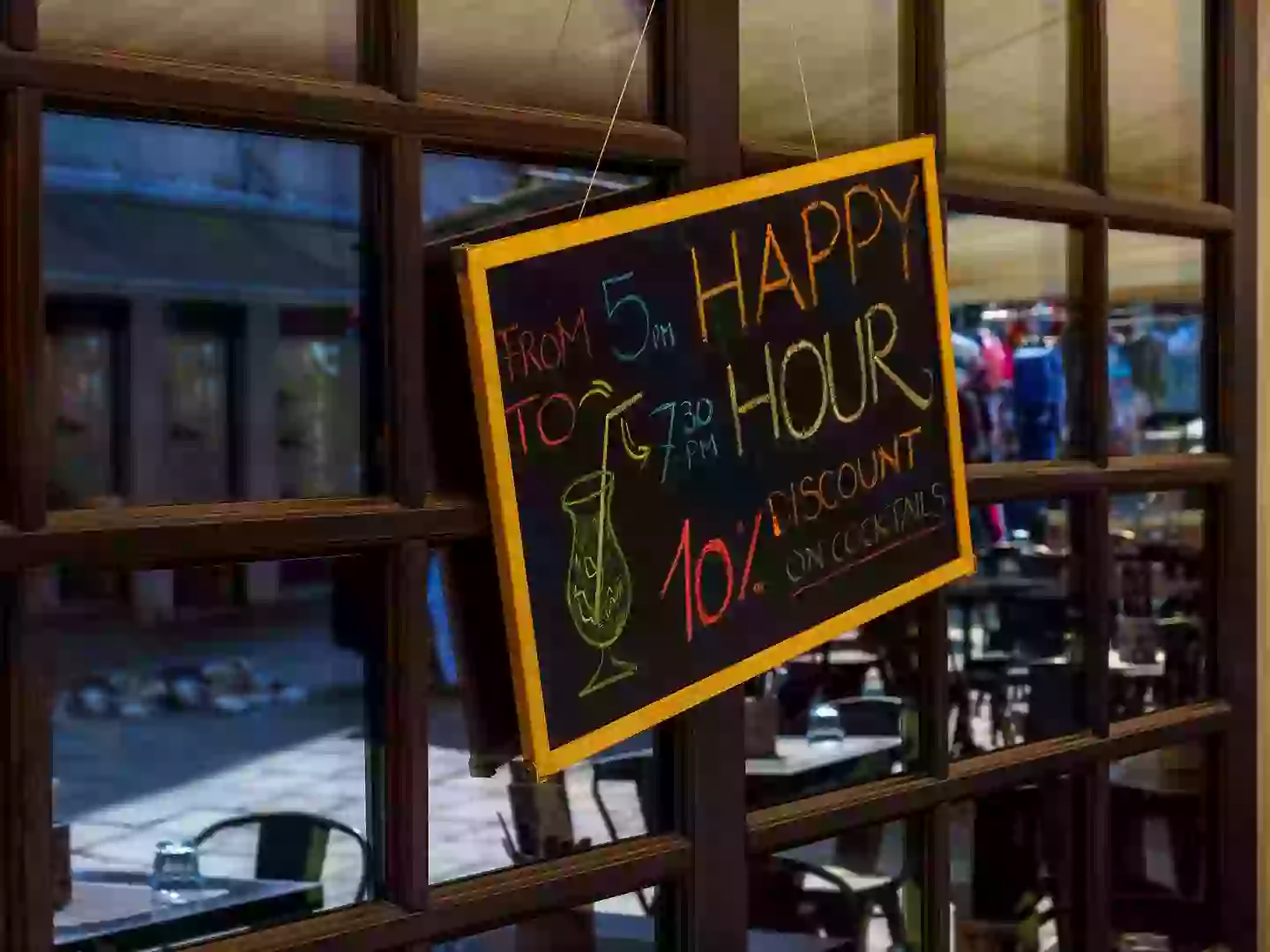
Apparently, us Gen Z ‘don’t know what happy hour’ is (claudio.arnese/Getty Images)
According to an article from The New York Post, the concept of a happy hour – AKA getting a round of bevs much cheaper than the usual price – is a totally foreign concept to those born between 1995 and 2012.
Now, as a fellow member of Gen Z, I can confirm that happy hour (especially when cocktails are involved) is very much so a known thing between me and my mates.
However, the article suggests that the new work from home revolution has something to do with the demise of the beloved drink deal.
“People used to work from 9 to 5. And you were happy at 5:01 because your workday ended,” Eugene Remm, co-founder of Catch Hospitality Group, told The Post. “But now there is no beginning of work and there is no end to work.
“So I think if you said ‘happy hour’ to 95% of [20 somethings] that used to do that on a regular basis, they would look at you and say, ‘Hey, Boomer, I don’t know what happy hour is.'”
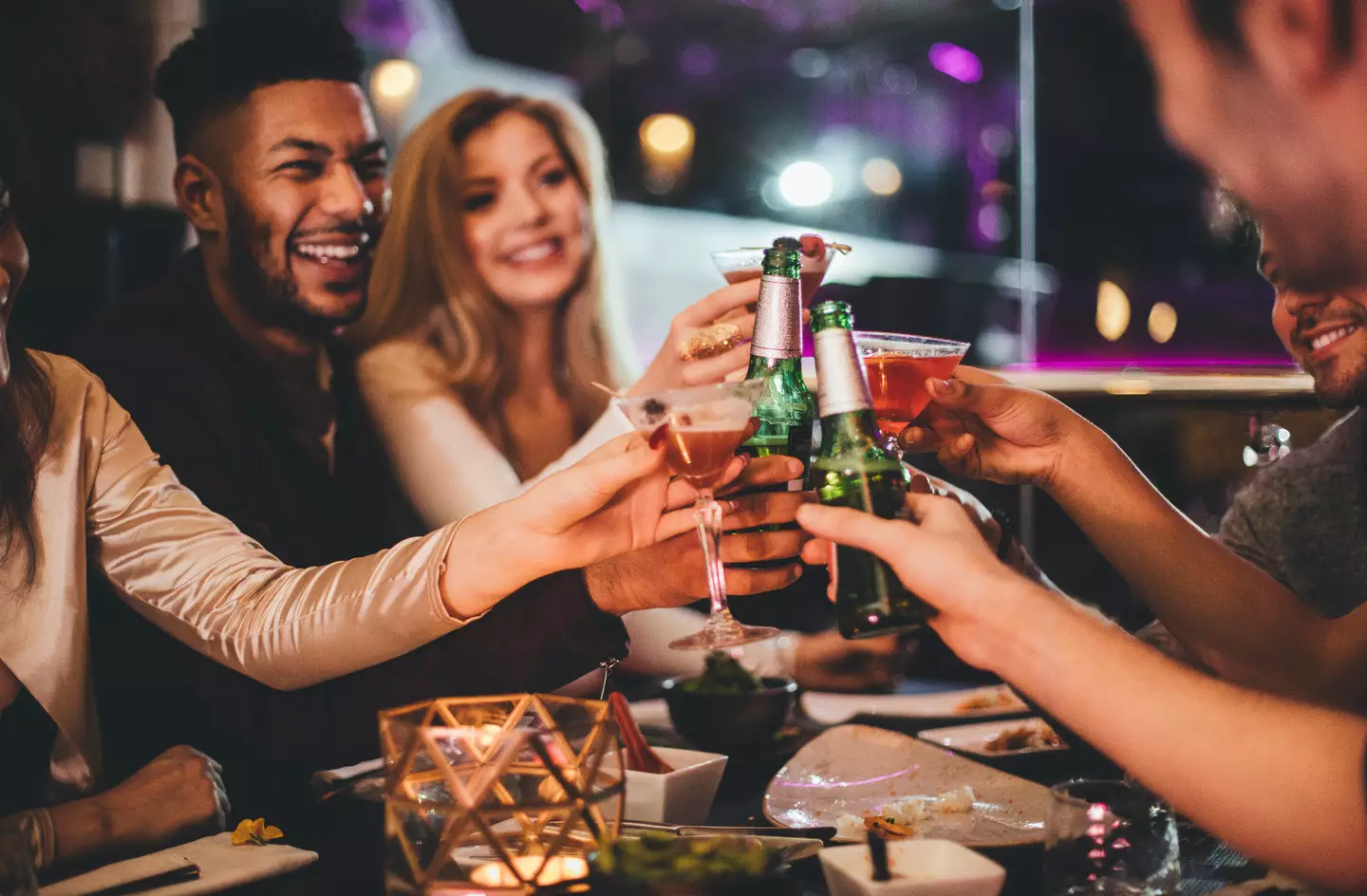

Working from home has apparently changed Gen Z’s attitudes to happy hour (SolStock/Getty Images)
Needless to say, there were some pretty mixed responses to the news.
One Instagram user lamented: “Sad… Happy hour is a great thing you get out of work you can use a drink or two and you get to talk and know the people you work with a little bit better because you’re outside of the working hours and it actually brings a lot of people together!”
A far less bunch of sympathetic jaded Boomers quipped: “That’s because they don’t socialise they sit home on their phone!”
“You can’t do happy hour while staring at your phone! So crazy,” piped up a third.
Another chimed in: “Thank God, I don’t want them in there hammered. They don’t even talk, just make videos lol.”


People had some very mixed responses to the news (Klaus Vedfelt / Getty Images)
“It’s good. More drinks for the rest of us!” a fifth piped up.
Naturally, some Gen Z weighed in on the matter themselves – pointing to the extortionate pricing that some ‘happy hours’ try to get away with.
One asked: “Have you seen the cost for drinks and Uber?”
“12 dollar margaritas is NOT HAPPY HOUR!” declared a second.
A third echoed: “Maybe because the cost of a drink is the same price as an actual dinner.”
And a final Instagram user confessed: “They are smart. Nobody wants to drinks with Bill from accounting. I never enjoyed it. I mainly would go to see what trouble they caused.”
That’s one way to look at it!
Featured Image Credit: SolStock/Getty Images/claudio.arnese/Getty Images
Topics: Food and Drink, Life, Money, Gen Z
Rhiannon Ingle
Extremely risky meal can give you cancer after just one bite
You don’t want to finish the whole meal

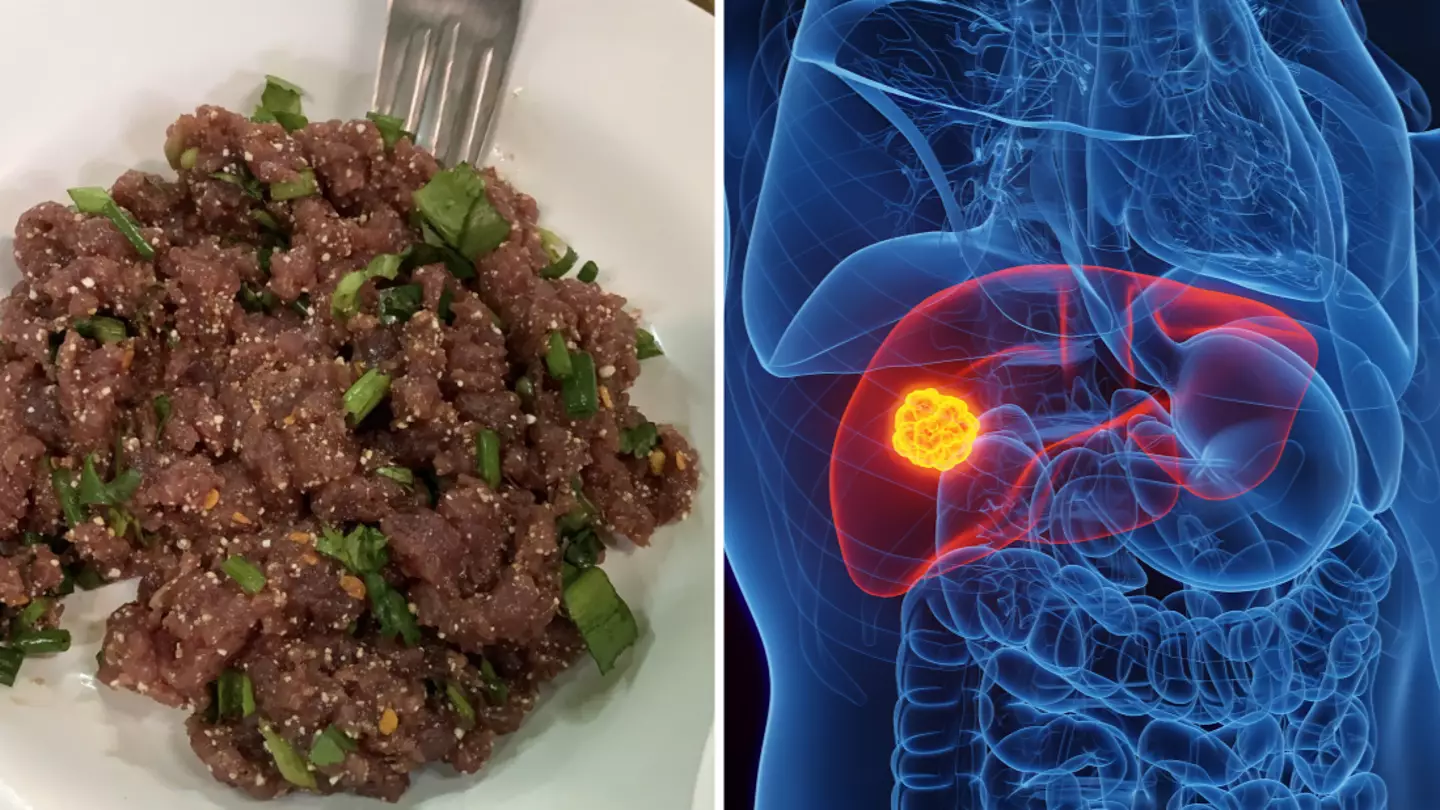
We all love a bit of Thai food every now again, but this dish could give you a lot more than you bargain for.
There are many foods that carry quite a bit of danger, like puffer fish for example – who can forget that episode of The Simpsons – but one particular dish from Southeast Asia could be your last.
That’s because even just a single bite could end up giving you liver cancer.
The carcinogenic meal is even believed to be responsible for the deaths of 20,000 people in Thailand each year – an insane number of people if you think about it.
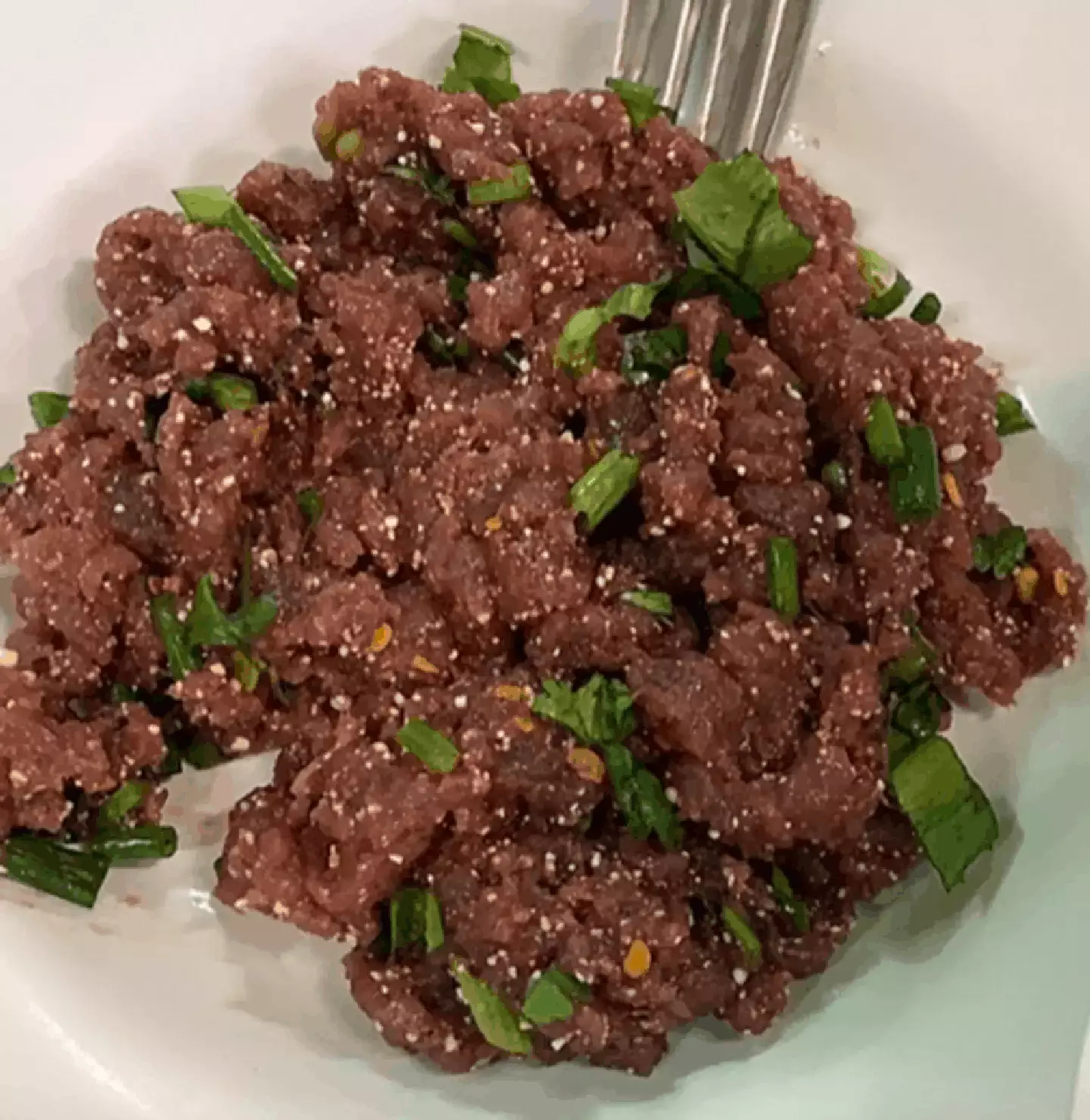
Don’t be fooled by the look of it. Wikimedia Commons
While you might be wondering if it contains cyanide or poison, the answer is no.
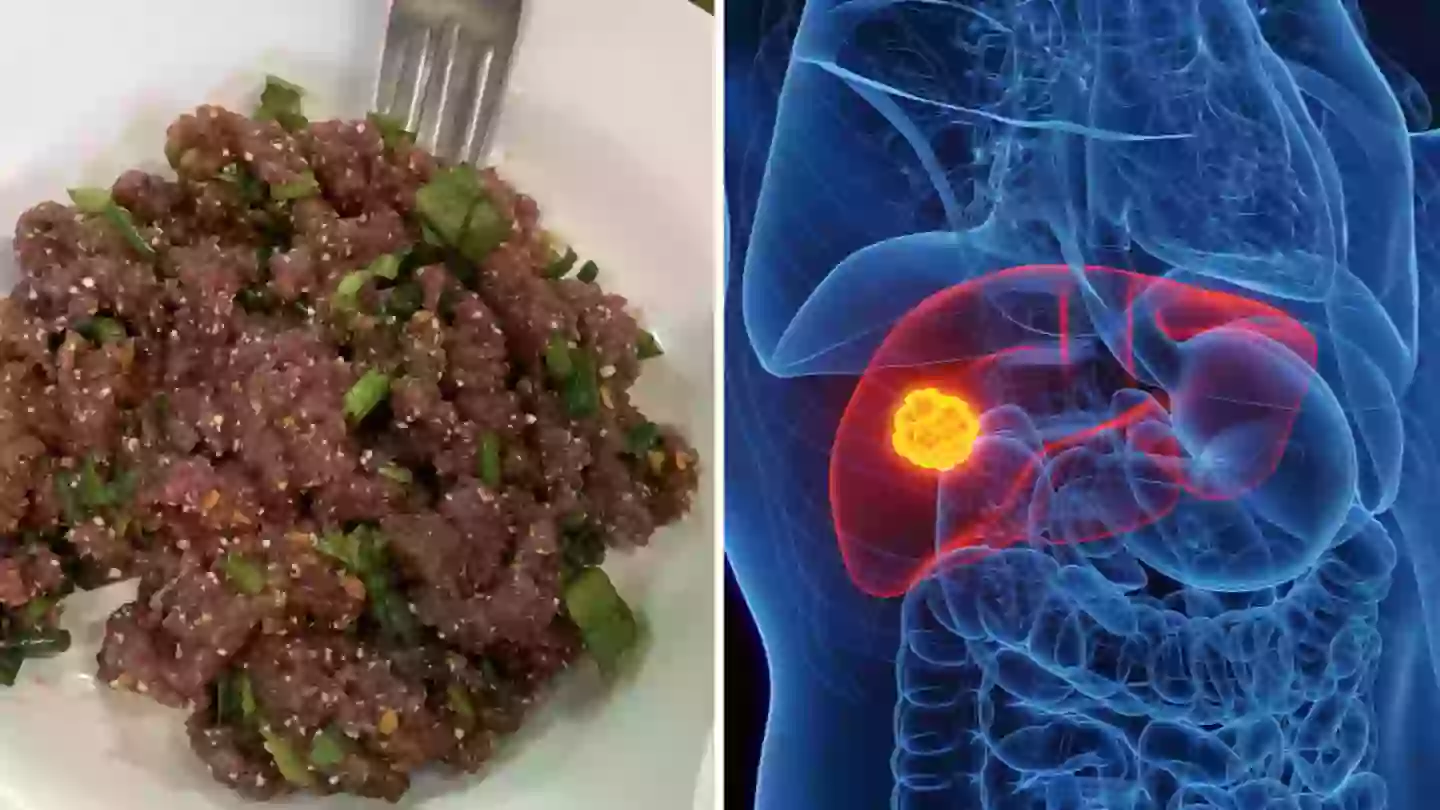
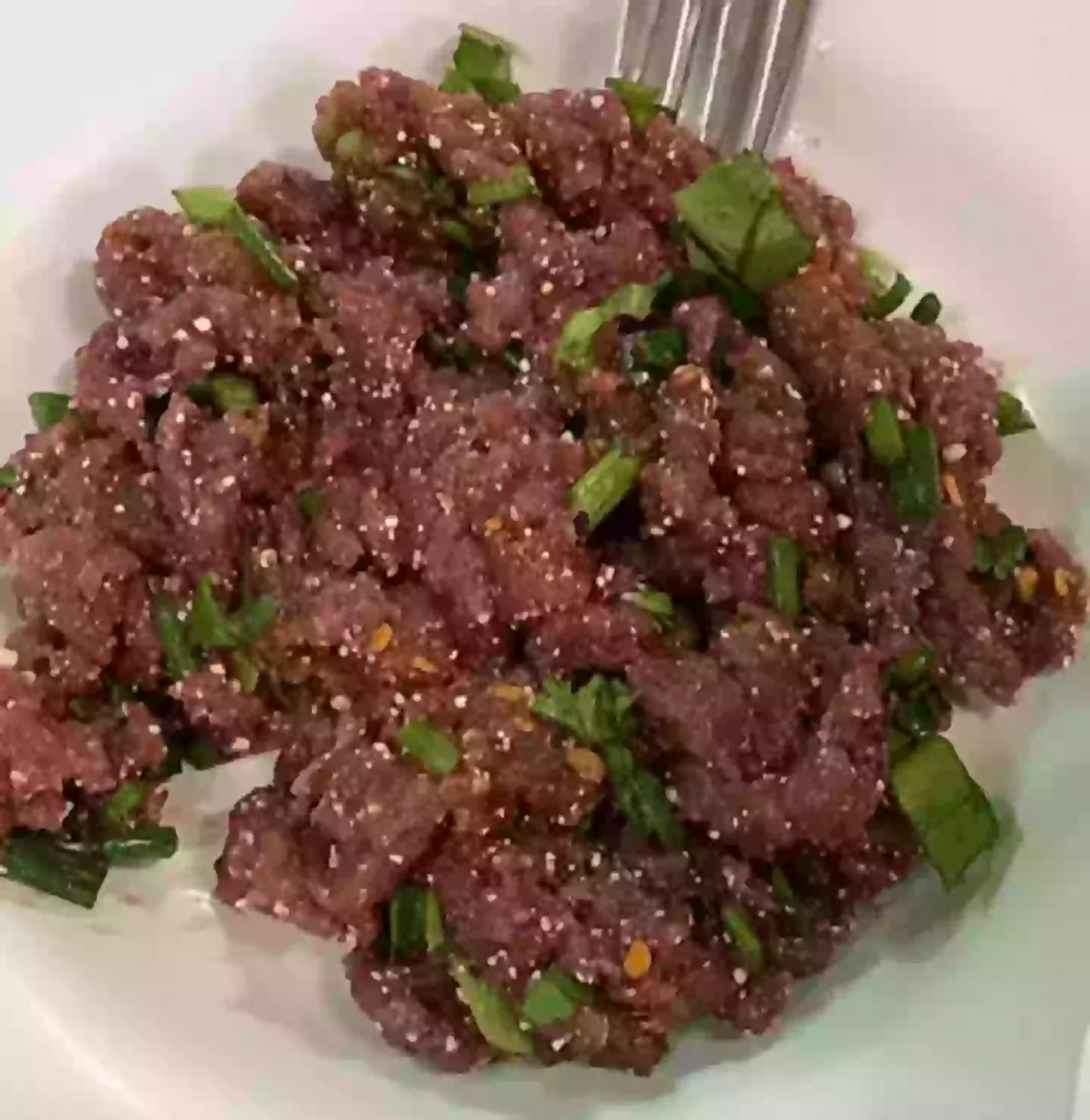
This extremely popular dish belongs to the Thai province of Khon Kaen and is called Koi Pla.
Koi Pla is a plate of minced raw fish with ground up herbs, spices, lemon juice, live red ants, and is typically eaten raw.
It doesn’t sound half bad, but I couldn’t recommend getting it when you visit.
Millions of people eat it in the area and it’s cheap to make – which adds to its appeal as it comes from one of the poorest provinces, Isaan.


The dish can give you liver cancer. LaylaBird / Getty Images
They also eat Kio hoi which contains raw snail meat and can also be deadly.
You might think it’s the raw fish that can give you cancer, but you’d be wrong.
It’s actually what lives inside of it.
The parasitic flatworms – or live flukes – are what can give you liver cancer as these parasites are native to fresh water fish in the Mekong region.
Isaan reportedly has the highest reported instance of cholangiocarcinoma (bile duct cancer) in the world because of the meal.
A liver surgeon in Thailand, Narong Khuntikeo, whose parents both died after eating the meal is now fighting against its legality.
He continued: “But nobody knows about this because they die quietly, like leaves falling from a tree.”
The disease is almost impossible to survive through if it’s not caught in time.
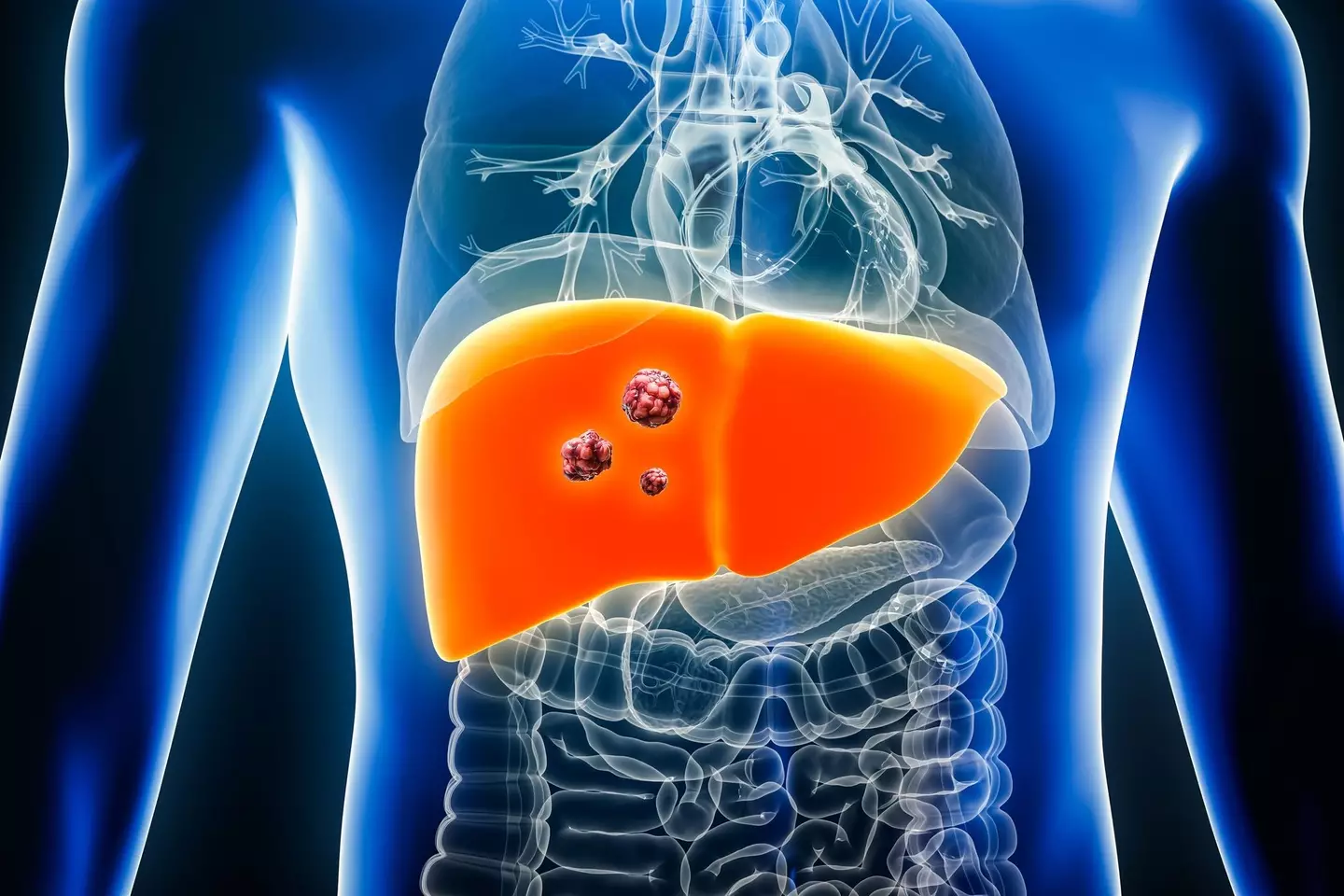
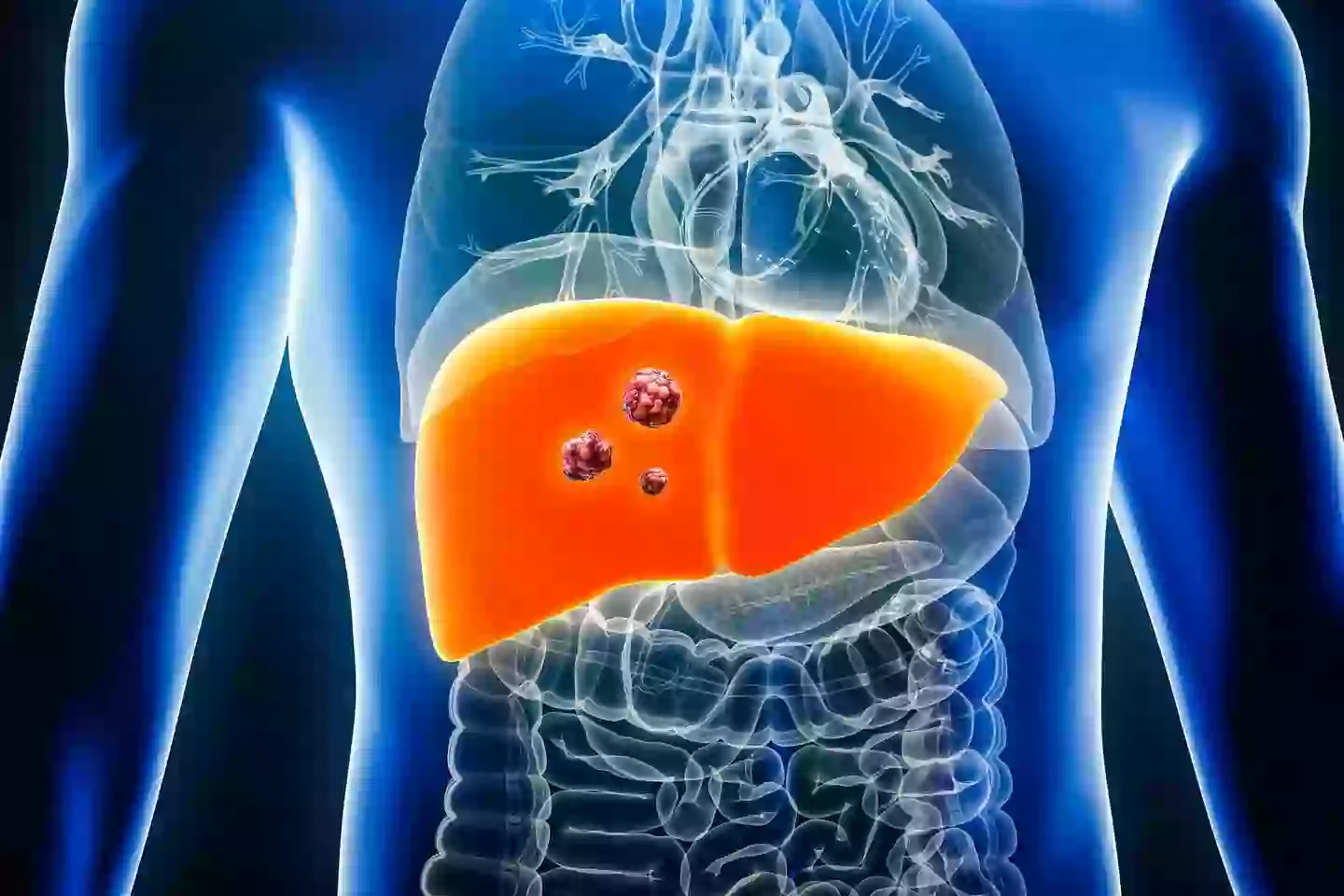
You don’t want to try it. libre de droit / Getty Images
Khuntikeo has spent four years testing villagers from the region for the parasite and has been joined by a team of scientists, doctors and anthropologists, who are all trying to find out the true impact of the dish.
The team of experts have been using ultrasound machines and urine testing kits, which shockingly found that 80 per cent of inhabitants were found to have ingested the deadly parasite, which could lead to an awful future.
Even though he’s trying his best to spread awareness about the dangers of eating koi pla, the older generation don’t want to hear it.
Even the local health officials have introduced a school curriculum to teach children about the risks of raw foods.
But the oldies aren’t having it.
He explained: “They’ll say: ‘Oh well, there are many ways to die’.
“But I cannot accept this answer.”
The reason they’re so against not eating a dish that could kill them?
If they cook the fish and kill the parasite, it won’t taste as good.
Hopefully, they’ll come around soon.
Featured Image Credit: Wikimedia Commons/Getty Stock Image