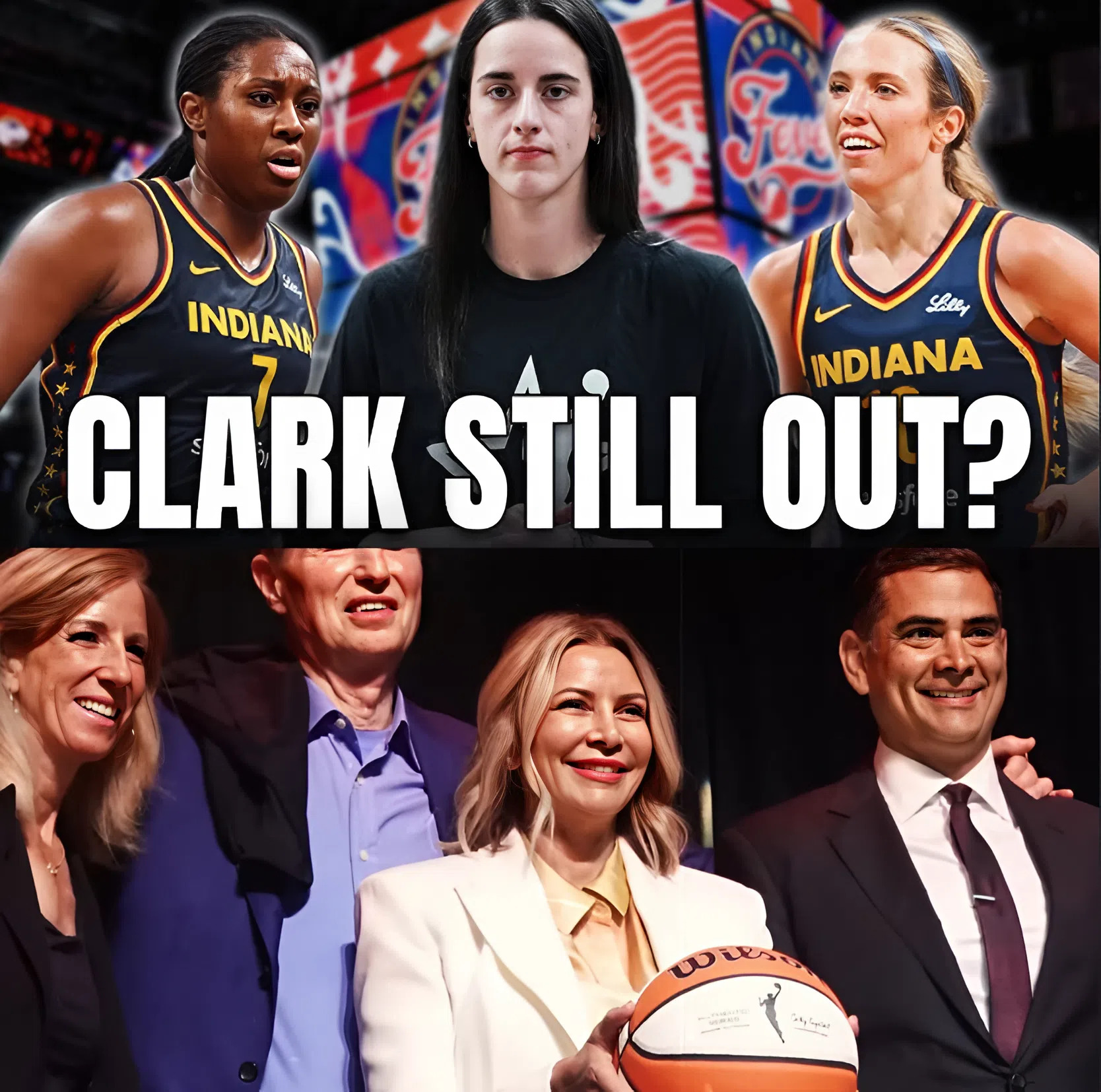
In the world of professional sports, the value of a single superstar is often debated but rarely demonstrated with such brutal, quantifiable clarity. But during the 2025 WNBA All-Star Weekend, the last-minute absence of rookie phenom Caitlin Clark didn’t just change the game’s lineup; it triggered a financial shockwave that exposed the league’s fragile economic reality and a truth that many within the organization seem desperate to ignore. The precipitous crash in ticket prices and the massive drop in viewership revealed that the WNBA’s recent monumental growth might not be a rising tide lifting all boats, but rather a tidal wave generated by a single, irreplaceable player.
The moment Clark was officially ruled out of the All-Star game due to injury, the secondary ticket market told a story more honest than any press release could. Prices cratered by a staggering 48%, falling from an average of $121 to just $64 overnight. In sports economics, such a dramatic level of price volatility tied to one player’s availability is virtually unheard of, even for legends like LeBron James or Steph Curry. The market wasn’t just whispering; it was screaming that fans were paying to see a person, not just a league.
The television ratings delivered an equally stark verdict. The 2025 All-Star Game drew a respectable 2.2 million viewers. Media partner ESPN touted this as a massive success, highlighting that it was up 158% from the 2023 game. But this comparison was a masterful piece of statistical misdirection. The more relevant and telling comparison was to the 2024 All-Star Game—the last one Clark played in—which garnered nearly 3.4 million viewers. The real story was not a historic gain, but a devastating 36% drop, representing a loss of 1.2 million viewers year-over-year. In television economics, that isn’t a dip; it’s a financial disaster.
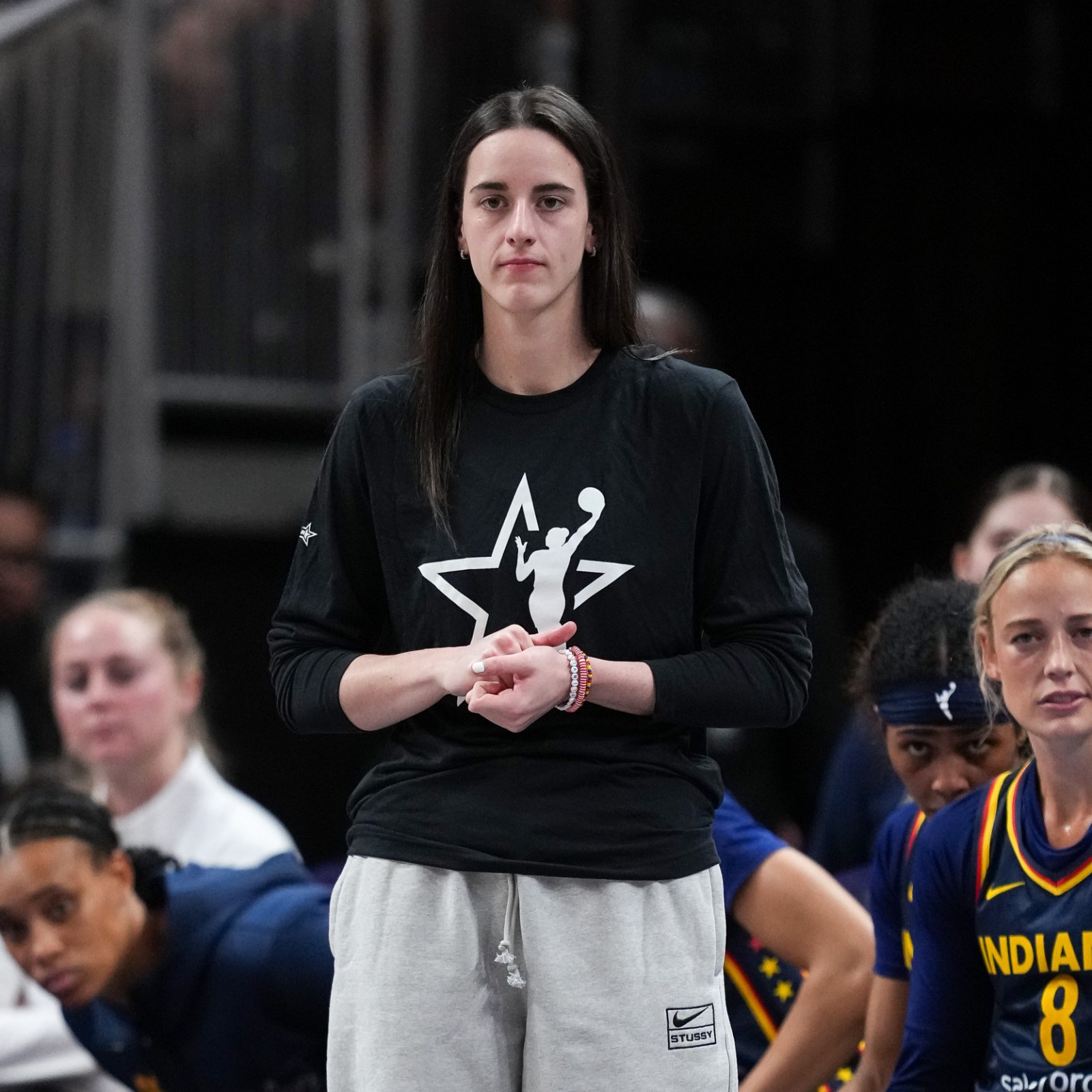
This glaring reality created a surreal backdrop for the weekend’s other major storyline: the players’ collective demand for more money. During pre-game warm-ups, WNBA players took the court wearing black t-shirts with a unified message: “Pay us what you owe us.” It was a bold statement of empowerment and a legitimate push for fair compensation amid the league’s newfound popularity. The cognitive dissonance, however, was staggering. The players were demanding a larger slice of the pie at the exact moment the market was demonstrating just how much that pie shrinks without its main ingredient.
This brings the WNBA to a precarious and uncomfortable crossroads, particularly as it navigates crucial Collective Bargaining Agreement (CBA) negotiations. The players’ argument for higher salaries is predicated on the league’s explosive growth. Yet, the evidence now strongly suggests that this growth is dangerously, perhaps even solely, dependent on Caitlin Clark. How do you negotiate long-term, guaranteed salary increases for all players based on the popularity of one?
This isn’t a critique of the other players’ talent or their right to fair compensation. It is an honest assessment of the market forces at play. The WNBA finds itself in an impossible position. For its narrative of league-wide growth and player equality to work, it needs Clark to be just another talented player. But the economics—from ticket sales to TV ratings to the forthcoming media rights deal largely predicated on her star power—all point to the fact that she is a transcendent asset, in a category all her own. It’s a dynamic reminiscent of Michael Jordan’s effect on the NBA in the 1990s, but with a crucial difference: Jordan joined a mature, established league. Clark is propping up a league still fighting for sustainable, diversified revenue streams.
The league’s response has been to try and have it both ways: embrace the revenue she generates while simultaneously downplaying her individual significance. But the market refuses to play along. Every ratings report, every ticket price analysis, and every empty seat when she’s not on the court exposes the fallacy of this approach. This isn’t sustainable. You cannot build an entire economic model around a single person and then pretend that person is not the foundation.
The WNBA has three potential paths forward. It can openly embrace the “Caitlin Clark effect” and build its marketing and business model around its generational star. It can work feverishly to elevate other players and storylines to a level that diversifies its appeal and reduces the dependency. Or it can continue its current, uncomfortable dance of benefiting from her impact while pretending it doesn’t exist. The market signals suggest the third option is a ticking clock. Sooner or later, an honest assessment will be unavoidable. The future of the league depends on it.