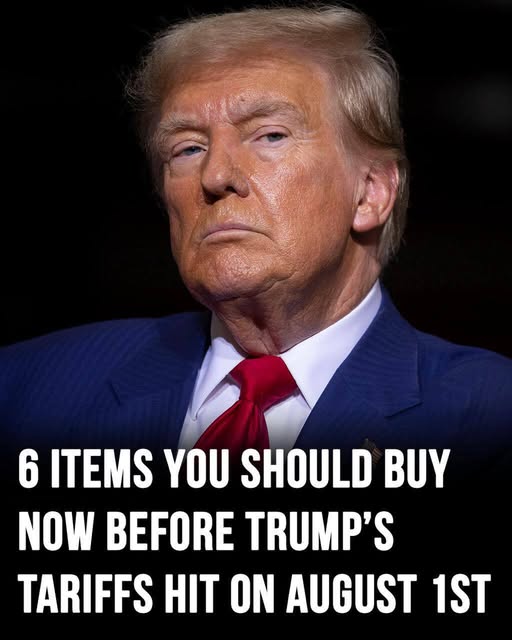
Beginning on August 1, 2025, a new series of tariffs from the Trump administration may lead to considerable price hikes on a broad array of consumer products. Although the primary goal is to strengthen American manufacturing, everyday shoppers in the U.S.—particularly seniors and individuals on fixed incomes—are anticipated to bear the majority of the financial burden as importers transfer costs.
Consumer electronics such as smartphones, laptops, and televisions are expected to be among the most impacted due to their dependence on components manufactured abroad. Experts suggest that consumers should consider purchasing electronics now—especially gifts for the holiday season or replacements—prior to the anticipated price increases. Furniture is another significant category that is likely to experience substantial price rises, with over 75% of furniture in the U.S. being imported.
The textile sector will also face challenges, resulting in higher prices for clothing, footwear, towels, and summer necessities. Seniors who rely on specific seasonal or comfort-fit brands may wish to stock up ahead of time. Additionally, food prices—which are already elevated due to inflation—are expected to rise further. Imported fruits, vegetables, and nuts are likely to become more costly, making frozen or canned alternatives a more prudent short-term choice.
Most alarmingly, there is a potential for a 200% tariff on imported prescription medications. This could have a severe impact on seniors managing chronic health conditions. Experts recommend obtaining 90-day prescriptions or utilizing mail-order pharmacies before the price increase takes effect.
In summary, the impending tariffs present a significant financial challenge, especially for older Americans. Taking proactive measures—whether by capitalizing on summer sales, replenishing essential items, or refilling prescriptions in advance—may assist consumers in avoiding the substantial costs that are expected to arise by August.