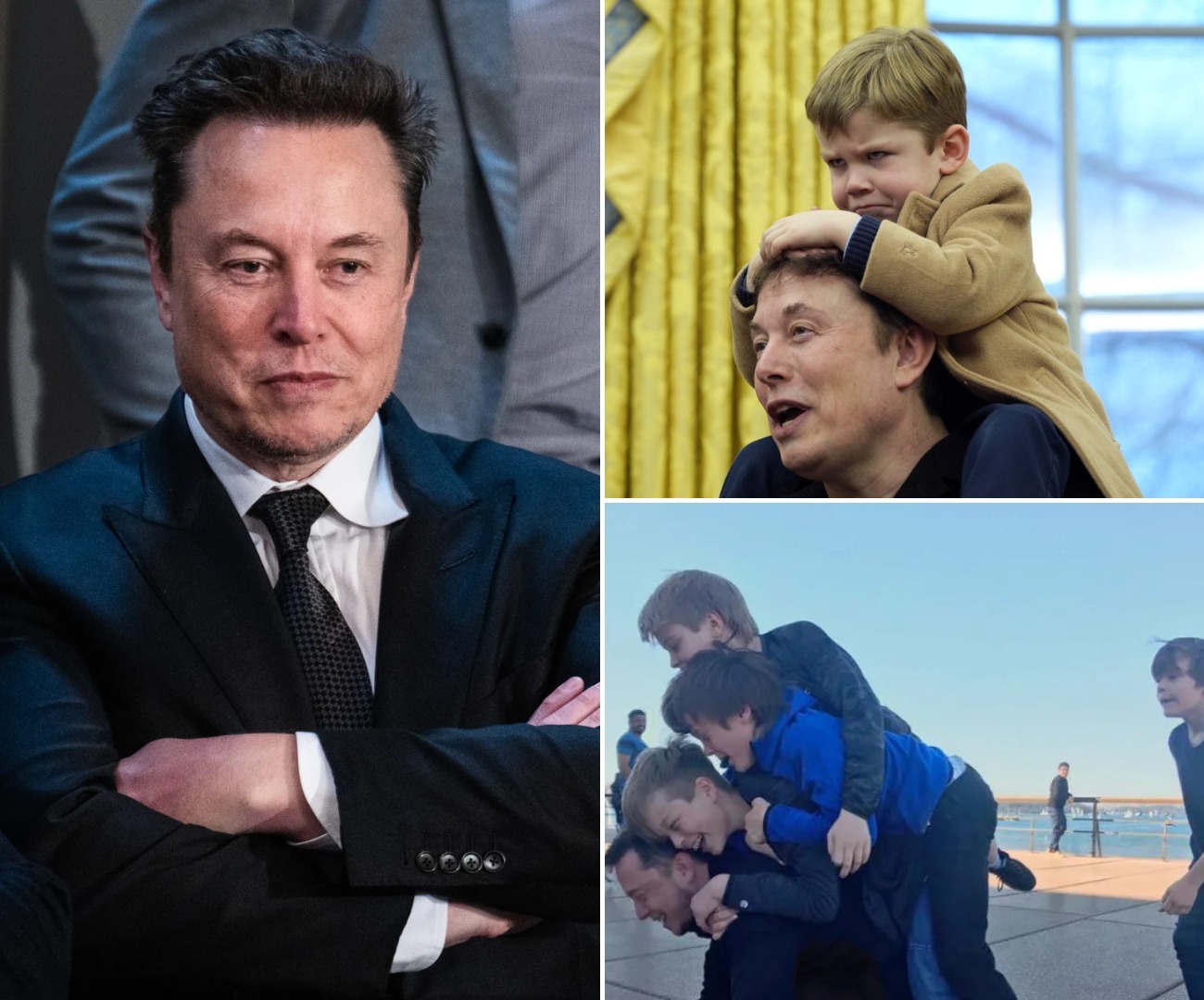
Elon Musk, celebrated for his groundbreaking contributions to space exploration, electric vehicles, and artificial intelligence, is also transforming the field of education. Renowned for his audacious perspectives and innovative tactics, Musk has emerged as a strong proponent for redefining educational practices, emphasizing the importance of incorporating technology into the learning process from a young age.
His non-traditional teaching methods significantly deviate from established norms; they question the typical confines of classrooms, the function of educators, and even the fundamental framework of education itself. A particularly intriguing element of Musk’s educational philosophy is his steadfast conviction that early exposure to technology is essential for nurturing independent thought, creativity, and problem-solving abilities in children.
Musk’s commitment to a forward-thinking, technology-driven educational framework is not merely theoretical; it is evident in his actions. In 2014, he established a school named Ad Astra, which later transformed into Astra Nova, aimed at providing a more practical, experiential learning atmosphere for his children and a select few others.
The institution does not adhere to the conventional grading system or administer standard tests. Instead, it emphasizes project-based learning, allowing students to tackle real-world challenges and utilize technology for solutions.
This methodology stems from Musk’s belief that a strict, exam-oriented system stifles creativity and does not cultivate the essential skills for the future. A fundamental aspect of Musk’s educational philosophy is the incorporation of technology, extending beyond mere computers or basic digital tools. He advocates for early exposure to advanced technologies that promote critical thinking and creativity.
This conviction is rooted in his own upbringing, where a passion for coding, video games, and technology significantly influenced his problem-solving skills and aspirations.
This was an individual who, in spite of his considerable wealth and achievements, did not conform to traditional notions of child-rearing. Rather, Musk was charting his own course, motivated by his strong conviction that the future of education is rooted in the integration of technology and granting children the liberty to explore, learn, and innovate outside the constraints of the conventional educational system.
Musk’s methodology reflects the demands of sectors such as artificial intelligence, renewable energy, and space exploration, where innovation, autonomous thinking, and effective problem-solving are crucial. By nurturing these attributes from a young age, Musk’s educational philosophy seeks to equip children for professions that may not yet be established.
Musk’s innovative educational approach embodies his overarching beliefs in freedom and decentralization. Similar to his push for the decentralization of power in sectors such as energy and space exploration, Musk aims to liberate education from the limitations of conventional systems. He contends that education should not adhere to a uniform model and should not be restricted to the confines of a classroom or traditional pedagogical practices.
Rather, he imagines a future where education is adaptable, responsive, and completely tailored to the needs and interests of students. Musk envisions that technology can facilitate personalized learning for each child, enabling them to progress at their own speed and in ways that align with their unique abilities and passions.
The concept of a customized, technology-enhanced educational framework is gaining momentum globally. There is a growing call to move away from conventional approaches that emphasize memorization and standardized assessments. Instead, educational institutions are being encouraged to adopt more project-oriented, experiential learning methods that focus on creativity, critical analysis, and teamwork.
Musk’s vision may serve as a model for the future, where education prioritizes addressing real-world challenges rather than mere fact retention. In this envisioned future, children would be motivated to think autonomously, innovate, and utilize new technologies as instruments for making a significant difference in society.
As Musk continues to challenge the limits in various sectors, his educational vision remains a crucial component of his overarching objectives. His proposal to weave advanced technology into every facet of learning, along with his practical, experimental methodology, extends beyond merely preparing the next generation of space pioneers or technology innovators.
The focus is on equipping children to become the leaders of the future, adept at addressing global issues and expanding the boundaries of possibility. Through his educational philosophy, Musk is establishing a foundation for a future in which creativity, innovation, and technology are intricately woven into the core of education.
In summary, Elon Musk’s educational philosophy signifies a daring advancement towards the future. His dismissal of conventional teaching practices in favor of a more innovative, technology-driven framework contests established norms and prompts significant discussions regarding the future of education. Although his strategies may not gain universal approval, they initiate essential dialogues on how to effectively equip the upcoming generation for an ever-evolving world.
It remains uncertain whether his educational initiatives will gain widespread acceptance; however, Musk’s impact on education, akin to his contributions to space and technology, is indisputable. As we progress deeper into the digital era, Musk’s educational perspective may play a progressively significant role in discussions regarding the preparation of our children for the future.