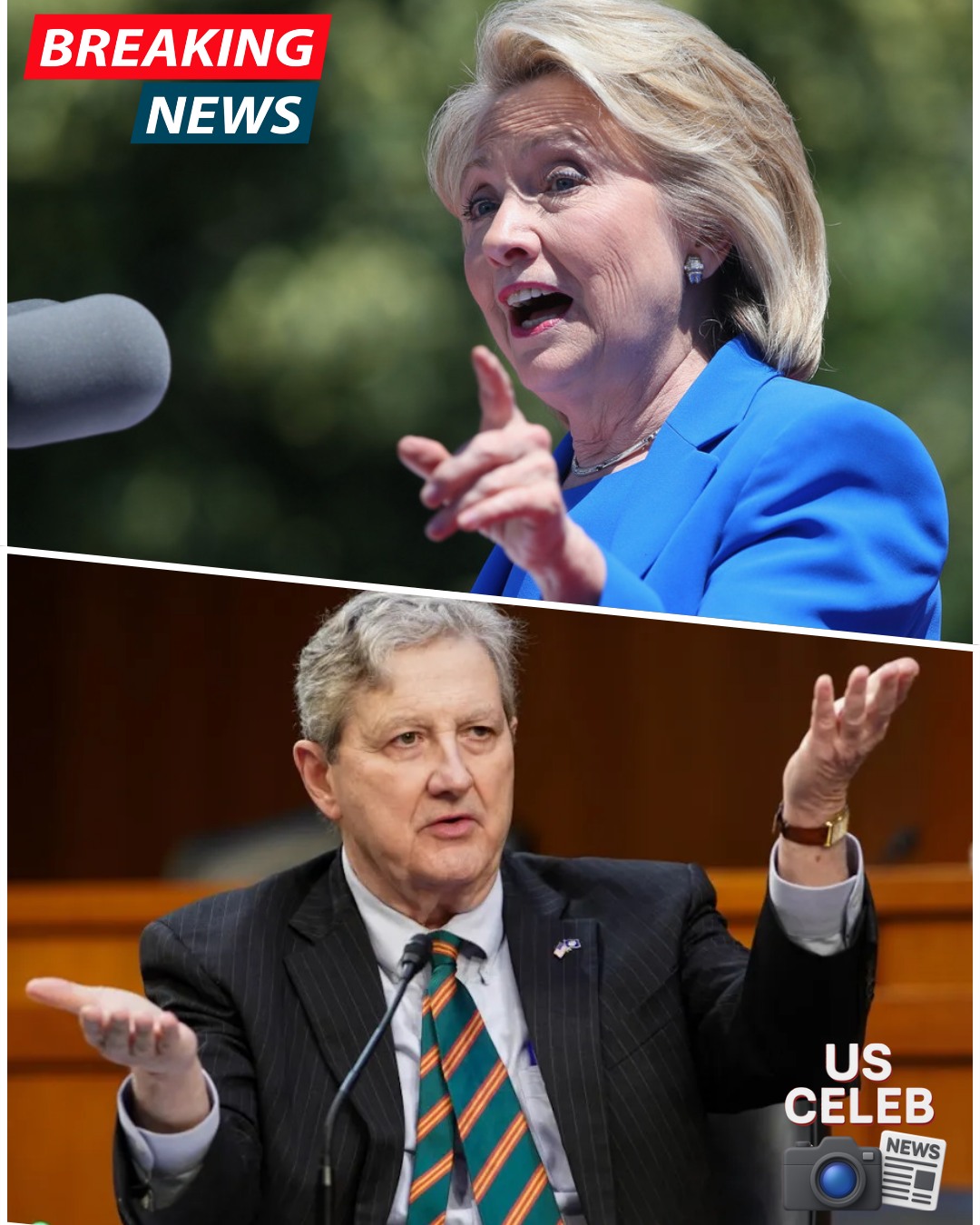
For decades, Hillary Clinton has been known as one of the sharpest political minds in Washington — a master of calculated debate, iron discipline, and strategic deflection. But this time, things went differently. What was supposed to be a routine Senate Oversight Committee hearing turned into a televised political earthquake when Senator John Kennedy (R–Louisiana) pushed back — hard — against what he called “a weaponized performance designed to rewrite history.”
According to multiple Capitol Hill insiders, the hearing was meant to address “government transparency and ethics in campaign influence.” But within minutes, the discussion devolved into a heated exchange between Clinton and Kennedy that none of the cameras — or viewers — were prepared for.

The Tense Opening Moments
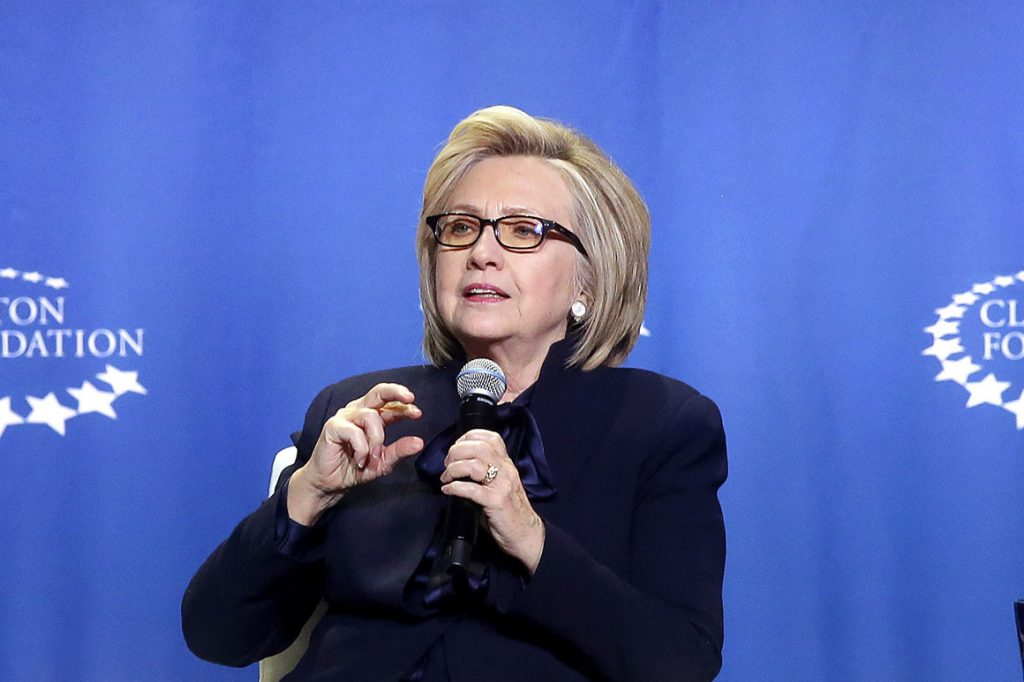
From the start, Clinton entered the room with an unmistakable air of confidence. Seated before a packed audience, she adjusted her glasses, scanned the committee members, and launched into what appeared to be a well-rehearsed statement.
“Americans deserve clarity,” she began. “We cannot allow political figures to manipulate power structures through misinformation and intimidation. This nation was built on truth.”
But Kennedy, known for his razor-sharp wit and unapologetic Southern bluntness, wasn’t having it. Leaning forward in his chair, he fired the first volley:
“With all due respect, Secretary Clinton, talkin’ about truth from you is like talkin’ about honesty from a used car salesman.”
The room went silent. Reporters froze mid-typing. Even the Senate stenographer hesitated for a beat before resuming.
Clinton smiled — tightly. “Senator,” she replied, “if you’d prefer personal attacks to facts, I suggest you save them for cable news.”
Kennedy didn’t blink. “Ma’am,” he said, “facts are exactly what we’re here for. And I’ve got a few that you might find inconvenient.”
The 73-Minute Exchange That Shook the Chamber
What followed over the next 73 minutes was a spectacle rarely seen in the Senate — a collision of two political heavyweights, each trying to outmaneuver the other in real time.
Kennedy, armed with stacks of printed documents and public records, began methodically laying out what he described as a “pattern of selective transparency” from Clinton’s past dealings, ranging from her State Department tenure to foreign donation networks linked to the Clinton Foundation.
At one point, Kennedy referenced internal emails from the 2016 election period, accusing Clinton of maintaining “shadow communications” with international donors. Clinton dismissed the accusations as “debunked conspiracy theories,” but Kennedy pressed on.
“Madam Secretary, I’m not interested in conspiracies,” he said. “I’m interested in the consistency of your memory. You’ve said one thing in public, another in writing, and a third behind closed doors. Which one’s the truth today?”
Clinton bristled. “Senator, if you’re implying that I’ve ever hidden anything—”
Kennedy interrupted. “Ma’am, I ain’t implying. I’m stating. And I can prove it.”
Gasps rippled through the chamber as Kennedy held up a document marked “CONFIDENTIAL.” Cameras zoomed in. Social media erupted within seconds.
The document, according to Kennedy, contained evidence of “cross-channel communications” between senior Clinton aides and foreign lobbying groups during her final year at the State Department — a claim the Clinton team vehemently denies.
The Turning Point
But the most jaw-dropping moment came roughly an hour in, when Kennedy turned the tables entirely.
“You talk about defending democracy,” he said, his voice rising. “But democracy dies when politicians think they’re above accountability. And right now, you’re acting like you still run the show.”
Clinton shot back, visibly angry: “I’m not the one undermining democracy — that’s your party’s specialty.”
Kennedy’s reply was immediate — and brutal.
“Maybe so, ma’am. But the difference is — we don’t sell democracy by the pound.”
That line hit like a thunderclap. The audience gasped, and even Clinton’s aides exchanged nervous glances. Reporters described the moment as “the point of no return.”
Media Meltdown and Political Fallout
By the time the hearing adjourned, the confrontation had already gone viral. Hashtags like #KennedyVsClinton and #NoOneAboveAccountability trended across social media. Conservative commentators hailed Kennedy as a “truth-teller unafraid to challenge the establishment,” while progressive outlets blasted him for staging what they called “a performative ambush.”
CNN’s Anderson Cooper described it as “the most explosive Senate exchange of the year.” Meanwhile, Fox News devoted its prime-time segment to dissecting the confrontation frame by frame, calling it “a masterclass in political takedown.”
Behind the scenes, however, aides from both parties were scrambling to contain the damage. Clinton’s spokesperson released a statement within hours, calling Kennedy’s presentation “a desperate attempt to relitigate long-settled matters.”
But the damage was done. The image of Clinton sitting stone-faced as Kennedy read from his stack of documents was already circulating online — and it wasn’t flattering.

Reactions From Washington Insiders
Several unnamed senators reportedly described the exchange as “unprecedented.” One Democratic aide told Politico:
“It felt like a courtroom cross-examination gone off the rails. You could feel the tension in your bones.”
Republican Senator Ted Cruz later tweeted, “Senator Kennedy just did what the media refused to do for years: ask Hillary real questions.”
Even some moderate Democrats privately admitted the optics were bad. “She walked into that room expecting to dominate,” one staffer told Axios. “Instead, she got cornered — and Kennedy knew exactly what he was doing.”
The Aftermath: A Brewing Reckoning
In the days following the hearing, speculation swirled about whether Kennedy’s revelations would lead to formal investigations or hearings. While no official inquiry has been launched yet, several congressional sources hinted that “additional documents” could surface in the coming weeks.
For Clinton, the confrontation has reignited old controversies just as she’s been rumored to be weighing a larger return to political advocacy. For Kennedy, it’s been a career-defining moment — one that cements his reputation as a populist firebrand unafraid to challenge Washington’s most powerful figures.
When asked by reporters outside the chamber if he regretted his words, Kennedy simply smiled.
“Ma’am,” he said, “you can’t regret sunlight. Once it shines, you just gotta deal with what it shows.”
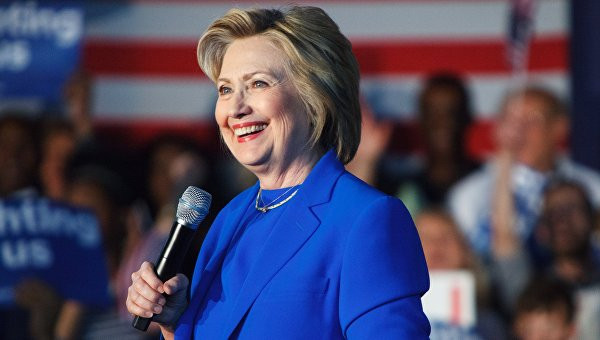
A Political Reckoning No One Saw Coming
By nightfall, news outlets around the world were replaying the exchange. Clips of Kennedy’s final remarks — sharp, cutting, and delivered with his trademark drawl — flooded TikTok, garnering millions of views within hours.
The confrontation wasn’t just another political spat — it was a symbol of America’s deepening divisions, a live broadcast of power meeting resistance.
And as one commentator put it best on MSNBC that night:
“If this hearing showed us anything, it’s that Washington’s most untouchable figures aren’t untouchable anymore.”
Whether you see Senator John Kennedy as a hero or a grandstander, one thing’s certain — what he exposed in that room has forever changed the way America views Hillary Clinton’s legacy.
Because in politics, as Kennedy proved, the truth doesn’t whisper — it roars.